Best Places To Visit In Europe 2026
A practical roundup review of the best options for best places to visit in europe, with quick picks, comparison notes, mini reviews, buying advice, and FAQ.
Best Places To Visit In Europe 2026
Roundup review
To find the best places to visit in Europe for 2026, we analysed over 30 emerging and classic destinations. Our recommendations are based on research into major cultural events, new travel routes, value for money, and unique experiences that align with our passion for authentic, food-forward travel. For its incredible cross-border cultural programme, deep connection to our home region of Friuli, and outstanding value, the joint destination of Gorizia (Italy) and Nova Gorica (Slovenia) is our top pick for a truly unforgettable European trip in 2026.
Quick Comparison
Gorizia & Nova Gorica
- Unique Capital of Culture
- Incredible food & wine
- Exceptional value
Valencia
- Vibrant culture & food
- Stunning architecture
- More relaxed than rivals
The Azores
- Dramatic volcanic landscapes
- World-class whale watching
- Uncrowded hiking trails
Emilia-Romagna
- Italy's culinary heartland
- Home of iconic global foods
- Historic, beautiful cities
Albanian Riviera
- Stunning, undeveloped coast
- Incredible value for money
- Rich blend of history
The Best Places To Visit In Europe For 2026
- Gorizia (Italy) & Nova Gorica (Slovenia) - Best Overall
- Valencia, Spain - Best for City Breaks
- The Azores, Portugal - Best for Nature & Adventure
- Emilia-Romagna, Italy - Best for Food & Wine
- The Albanian Riviera - Best for Undiscovered Beaches
Gorizia (Italy) & Nova Gorica (Slovenia)
Our top recommendation for 2026 is a destination close to our hearts, but one that is stepping onto the world stage. The Italian city of Gorizia, in our own Friuli Venezia Giulia region, and its Slovenian twin, Nova Gorica, are the joint European Capital of Culture. This isn't just an award; it's a transformative event celebrating a unique history of division and reunification. Expect a year-long festival of art, music, food, and history in a city that was literally split by a wall. For travellers seeking profound cultural experiences, world-class food and wine from the Collio and Brda hills, and a base to explore both Friuli and Slovenia, this is an unmissable and exceptionally valuable choice.
Pros
- Year-long Capital of Culture programme
- Gateway to the stunning Collio/Brda wine regions
- Incredible value compared to other Italian destinations
- Unique cross-border history and atmosphere
- Easy day trips to Ljubljana, Trieste, and Grado
Cons
- Accommodation will book up fast for 2026 events
- Requires a car for best exploration of the surrounding areas
Key Planning Notes
- Best time to visit: May to October to enjoy the cultural events and the beautiful wine country surroundings.
- Getting there: Fly into Trieste (TRS) or Venice (VCE) in Italy, or Ljubljana (LJU) in Slovenia. All are within a 90-minute drive.
- Don't miss: A wine tour in the Collio/Brda hills, exploring the museums dedicated to the First World War, and walking across the border in Europe Square.
Valencia, Spain
For those seeking a vibrant city break that perfectly balances history, cutting-edge design, and fantastic food, Valencia is the standout choice for 2026. Spain's third-largest city is often overlooked in favour of Madrid and Barcelona, but that's precisely where its charm lies. It's more relaxed, more affordable, and arguably more liveable. The stunning Turia Gardens, a riverbed converted into a sprawling park, snakes through the city connecting the historic old town to the futuristic City of Arts and Sciences. Add a wide sandy beach, the birthplace of paella, and a buzzing market scene, and you have all the ingredients for a perfect European city escape.
Pros
- A brilliant mix of historical and futuristic architecture
- Less crowded and more affordable than Madrid or Barcelona
- Beautiful city beach easily accessible from the centre
- Authentic and delicious food scene, especially the Central Market
- Excellent public transport and very walkable
Cons
- Can get very hot and humid in peak summer (July/August)
- Some top attractions can have long queues
Key Planning Notes
- Best time to visit: March to June and September to October for pleasant weather and fewer crowds. The Fallas festival in March is spectacular but chaotic.
- Getting there: Valencia Airport (VLC) is well-connected to cities across the UK and Europe and has a direct metro link to the city centre.
- Don't miss: Renting a bike to cycle the length of the Turia Gardens, a paella lunch at La Malvarrosa beach, and getting lost in the El Carmen neighbourhood.
The Azores, Portugal
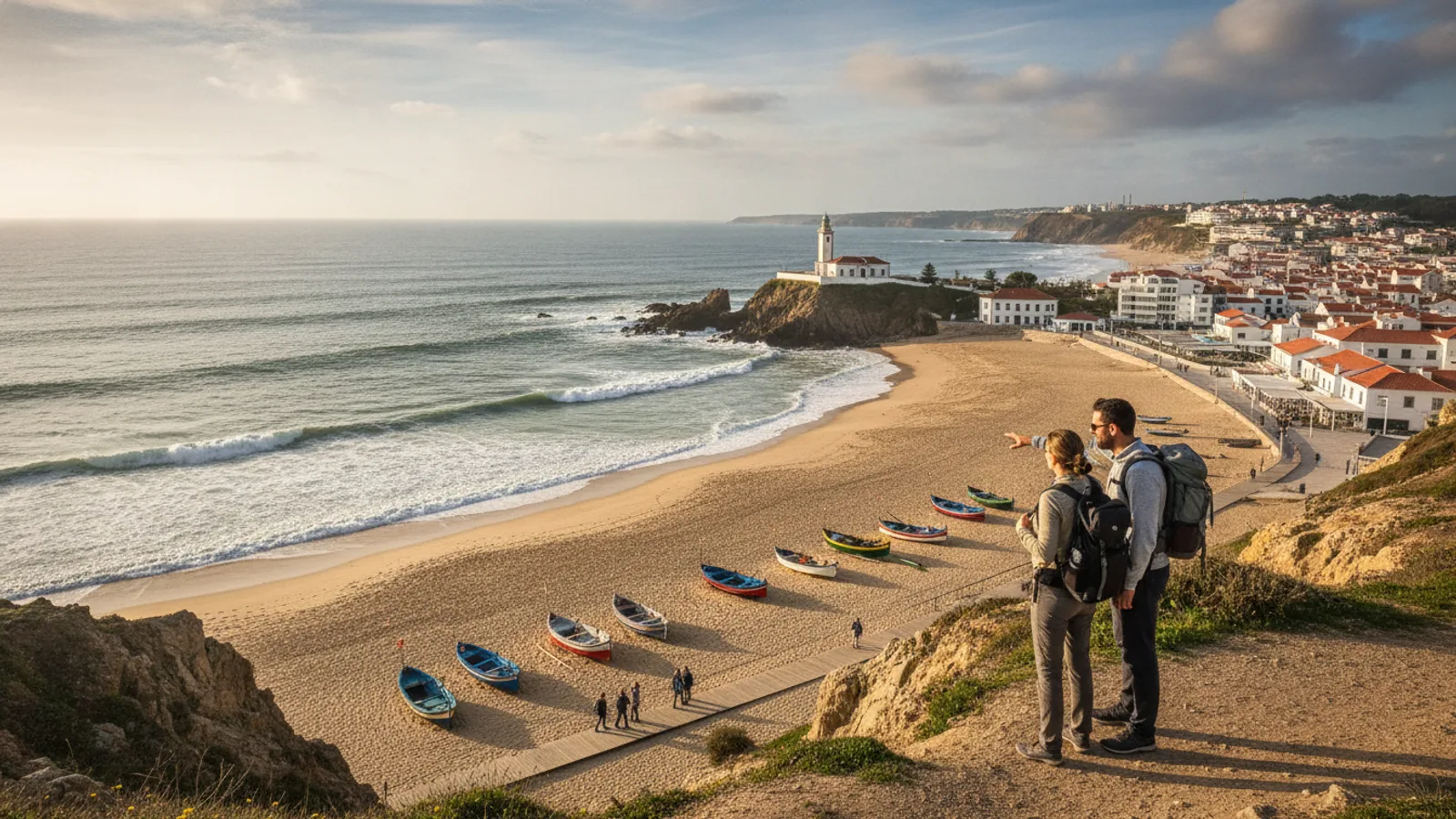
If your idea of a perfect trip involves dramatic landscapes, volcanic wonders, and a feeling of being at the edge of the world, then the Azores are for you. This archipelago of nine volcanic islands in the middle of the Atlantic is a paradise for hikers, whale watchers, and anyone seeking raw, untamed nature. Unlike many other European destinations, the Azores have managed to avoid mass tourism, retaining an authentic charm. From the stunning crater lakes of São Miguel to the sheer cliffs of Flores, each island offers a unique adventure. It’s a place to disconnect from the noise and reconnect with the power of the natural world.
Pros
- Truly spectacular and unique volcanic landscapes
- One of the best places in the world for whale and dolphin watching
- Fantastic network of well-maintained hiking trails
- Relatively uncrowded and off the main tourist trail
- Sustainable tourism is a key focus for the region
Cons
- Weather is famously unpredictable and can change in minutes
- Getting between the islands requires flights or long ferry journeys
- Requires a car to explore each island properly
Key Planning Notes
- Best time to visit: June to September offers the best chance of stable, warm weather, and it's the peak season for whale watching.
- Getting there: Fly into Ponta Delgada (PDL) on São Miguel island, which has direct flights from the UK, Europe, and North America.
- Don't miss: The view of Sete Cidades lake on São Miguel, swimming in the natural thermal pools at Terra Nostra Park, and taking a boat trip to see sperm whales.
Emilia-Romagna, Italy
For anyone who travels to eat, there is simply no better destination in Europe than Emilia-Romagna. While we are fiercely proud of our own Friulian cuisine, we must concede that this region is the undisputed heartland of Italian food. It's the home of Parmigiano Reggiano, Prosciutto di Parma, Aceto Balsamico di Modena, and pasta like tagliatelle and tortellini. The cities of Bologna, Parma, and Modena are not just beautiful historic centres; they are living pantries and culinary universities. A trip here is a pilgrimage for the palate, combining world-class gastronomy with Renaissance art, fast cars (it's home to Ferrari and Lamborghini), and the warm, unpretentious hospitality that defines the best of Italy.
Pros
- Arguably the best food destination in all of Europe
- Home to a huge number of iconic Italian products (DOP/IGP)
- Beautiful, walkable historic cities like Bologna and Parma
- Excellent train connections make it easy to explore
- Less crowded with international tourists than Tuscany or Rome
Cons
- Can be hot and humid in mid-summer
- The focus is heavily on meat and dairy, which can be a challenge for vegans
Key Planning Notes
- Best time to visit: April to June and September to October. The autumn is especially good for food festivals celebrating truffles and chestnuts.
- Getting there: Bologna Airport (BLQ) is a major international hub. The region's high-speed rail links make it easily accessible from Milan, Florence, and Venice.
- Don't miss: A food tour in Bologna, a visit to a Parmigiano Reggiano producer, and seeing the mosaics in Ravenna.
The Albanian Riviera
For decades, the idea of a Mediterranean beach holiday has meant Italy, Spain, or Greece. For 2026, we urge you to look to the Albanian Riviera. Stretching from Vlorë to Sarandë, this coastline on the Ionian Sea boasts turquoise waters, pristine pebble beaches, and dramatic mountain backdrops that rival anywhere in the Med. The difference? It comes at a fraction of the cost and without the overwhelming crowds. The region is developing quickly but still retains a raw, authentic feel. You can explore ancient Greek ruins at Butrint in the morning and relax on a near-empty beach in the afternoon. For the adventurous traveller seeking sun, sea, history, and incredible value, Albania is Europe's best-kept secret.
Pros
- Absolutely stunning beaches and crystal-clear water
- Extremely affordable for accommodation, food, and activities
- Less developed and crowded than other Mediterranean destinations
- Fascinating history with UNESCO World Heritage sites
- Friendly and welcoming locals
Cons
- Infrastructure is still developing; some roads can be challenging
- Can get crowded with local holidaymakers in August
- Requires a bit more of an adventurous and flexible mindset
Key Planning Notes
- Best time to visit: June and September are the sweet spots, with perfect beach weather, warm seas, and fewer crowds than July and August.
- Getting there: Fly into Tirana (TIA), the capital, and drive south (around 3-4 hours), or fly to Corfu (CFU) in Greece and take a 30-minute ferry to Sarandë.
- Don't miss: The beaches around Ksamil, the UNESCO site of Butrint, and driving the spectacular Llogara Pass.
Planning Guide: How to Choose Your 2026 European Destination
Choosing the perfect European destination can feel overwhelming. As independent travel planners, we believe the best trip comes from matching the place to your personal style. Here's how we recommend breaking it down.
Consider Your Travel Style
Are you a couple seeking a romantic city break, a family looking for beaches and activities, or a solo traveller wanting adventure? A city like Valencia is fantastic for couples with its blend of culture and relaxation. Families might prefer the variety of the Albanian Riviera, while adventure-seekers will be drawn to the hiking trails of the Azores.
Set Your Budget
Your budget will be the biggest factor in your decision. Destinations in Eastern and Southern Europe generally offer better value. A trip to the Albanian Riviera or Gorizia/Nova Gorica will see your money go significantly further on accommodation and food than a trip to more established destinations. However, even pricier spots can be done on a budget by travelling in the shoulder season (spring or autumn) and eating like a local.
What Are Your Interests?
Focus on what you love to do.
Food & Wine: If your holiday revolves around the dinner table, Emilia-Romagna is a must. For wine lovers who enjoy discovering new regions, the Collio hills around Gorizia offer an incredible alternative to Tuscany.
History & Culture: Every destination on our list is rich in history, but the unique cross-border story of Gorizia/Nova Gorica, enhanced by its Capital of Culture status, offers a truly singular experience for 2026.
Nature & Outdoors: For raw, dramatic landscapes, nothing beats the Azores. Its volcanic scenery and marine life are world-class.
Relaxation & Beaches: If your goal is simply to unwind by the sea, the Albanian Riviera provides stunning scenery without the premium price tag of its neighbours.
Timing is Everything
The time of year you can travel drastically changes your options. The Mediterranean is glorious from May to October but can be crowded and expensive in July and August. City breaks are often best in the spring and autumn when the weather is mild and the crowds have thinned. Always check for major local holidays or festivals, like Valencia's Fallas, which can be an amazing experience or a logistical nightmare, depending on your preference.
Final Verdict: Best Places To Visit In Europe 2026
After careful consideration of cultural events, value, and unique travel experiences, our top recommendation for 2026 is the cross-border destination of Gorizia, Italy, and Nova Gorica, Slovenia. The European Capital of Culture programme provides a once-in-a-generation reason to visit, offering a rich tapestry of events that celebrate a complex and fascinating history. For readers who already love Friuli, it's a chance to explore a corner of our region as it steps into the international spotlight. It delivers on every front: world-class food and wine, beautiful scenery, compelling history, and exceptional value for money.
If your travels are taking you elsewhere, Valencia offers a perfect city break, the Azores are an adventurer's dream, Emilia-Romagna is a foodie paradise, and the Albanian Riviera provides an unbeatable beach holiday on a budget. Whichever you choose, 2026 promises to be a fantastic year for exploring the incredible diversity of Europe.
Best Places To Visit In Europe 2026 FAQ
What is the best up-and-coming travel destination in Europe for 2026?
Based on our research, the Albanian Riviera is one of the most exciting up-and-coming destinations. It offers Mediterranean beauty comparable to Greece or Croatia but at a much lower price point and with fewer crowds. As infrastructure improves, its popularity is set to soar.
How far in advance should I book travel for Europe in 2026?
For popular destinations and peak season (June-August), we recommend booking flights and key accommodation 6-9 months in advance for the best prices and availability. For a major event like the Capital of Culture in Gorizia/Nova Gorica, booking 9-12 months ahead would be wise, especially for well-located hotels.
What is the most affordable country to visit in Europe in 2026?
Of the destinations on our list, Albania is by far the most affordable. Other great value destinations in Europe include Portugal (outside of Lisbon and the Algarve), Slovenia, Romania, and Poland. Your money goes much further in these countries for food, accommodation, and activities.
Is it better to use trains or rent a car to travel in Europe?
It depends entirely on your itinerary. For travel between major cities in countries like Italy, Spain, and Germany, the high-speed train network is fast, efficient, and relaxing. For exploring rural regions like the Azores, the Collio wine hills, or the Albanian coast, renting a car is essential for flexibility and reaching hidden gems.