Friuli Food And Wine Routes
A practical step-by-step guide to friuli food and wine routes, including preparation, instructions, common issues, tips, and next steps.
Friuli Food And Wine Routes
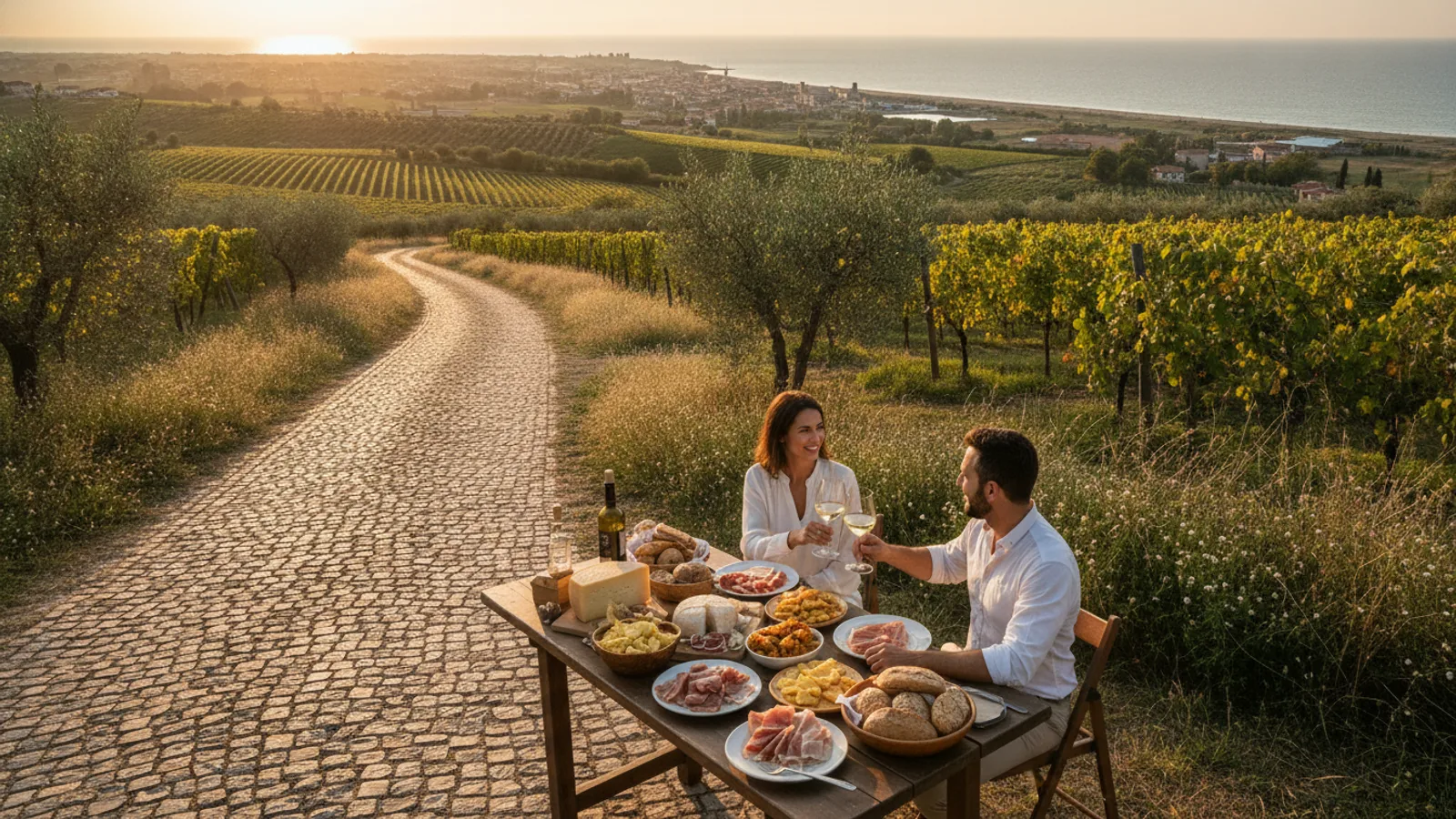
This guide shows you how to plan your own self-guided food and wine tour through Friuli Venezia Giulia, one of Italy's most exciting and underrated culinary regions. Forget generic bus tours; we'll help you create a personal journey to discover authentic Prosciutto di San Daniele, world-class white wines from the Collio hills, and hearty mountain cheeses. This is for the independent traveller who wants to get behind the scenes, meet local producers, and taste the real Friuli at their own pace.
Fast Answer
- Key Action: Plan your routes by geographic and culinary zones.
- Focus On: One specific area per day, like the Collio for white wines or San Daniele for prosciutto, to minimise driving time and maximise tasting opportunities.
Before You Start
Proper planning is the key to a successful food and wine tour in Friuli. Unlike other regions, many producers here are small, family-run operations that don't have regular drop-in hours. A little preparation ensures you won't be met with closed gates. Here’s what you need to sort out first.
- Reliable Transport: A car is non-negotiable for exploring the rural areas. Choose a smaller model for easier navigation of narrow village lanes.
- A Designated Driver: Italy has very strict drink-driving laws. Ensure you have a designated driver for any day that involves wine tasting.
- Navigation Tools: A GPS is useful, but mobile signal can be unreliable in the hills. Download offline maps of the Friuli region on your phone as a vital backup.
- Producer Wishlist: Start a list of wineries (`cantine`), ham producers (`prosciuttifici`), and cheese dairies (`caseifici`) you'd like to visit.
- Cool Box: An essential piece of kit for bringing back delicious purchases like cheese, cured meats, and white wine, keeping them fresh in the car.
- Basic Italian Phrases: While many in the tourism industry speak English, knowing a few phrases for booking and ordering shows respect and will be very helpful. "Posso assaggiare?" (Can I taste?) and "Vorrei prenotare" (I would like to book) are great starters.
Step-by-Step Instructions
Choose Your Culinary Focus
Friuli's landscape changes dramatically from the Alps to the Adriatic, and its food and wine reflect this diversity. To avoid a chaotic trip, decide what you want to prioritise. Are you here for the crisp, mineral-driven white wines? The world-famous cured hams? The unique mountain cheeses? Or the seafood of the coast?
Think of Friuli in four main zones:
- The Hills (Collio & Colli Orientali): This is Friuli's wine heartland. The Collio, near the Slovenian border, is famed for white grapes like Friulano, Ribolla Gialla, and Sauvignon Blanc. The Colli Orientali, east of Udine, excels with both whites and unique native reds like Schioppettino, as well as the sweet wines of Ramandolo.
- The Mountains (Carnia & Julian Alps): This is the home of hearty, rustic flavours. Look for smoked ricotta (`scuete fumade`), Montasio cheese, and various types of salami and speck. The star here is the sweet, delicate Prosciutto di Sauris.
- The Plains & San Daniele: The town of San Daniele del Friuli, nestled in the hills overlooking the Tagliamento river, is dedicated to producing its iconic Prosciutto. The surrounding plains are also known for grains, spirits, and goose products.
- The Coast (Grado & Marano Lagoon): This area offers a completely different taste, focused on fresh seafood. Look for dishes like `boreto a la graisana` (a fish stew) and specialities from the nearby Karst (Carso) plateau, like Terrano wine.
Map Your Geographic Zones
Once you have a focus, group your desired stops into logical day trips. Trying to visit a winery in the Collio and a cheese maker in Carnia on the same day is impractical due to the driving time. A focused daily plan makes your trip more relaxing and enjoyable.
Use an online tool like Google Maps to pin your potential stops. This will give you a visual sense of distances and help you create efficient routes. A few classic daily routes include:
- The Collio Wine Route: Base yourself near Cormons or Cividale del Friuli. Spend a day visiting wineries around the villages of Oslavia (famous for orange wines), San Floriano del Collio, and Dolegna del Collio.
- The San Daniele Prosciutto & Hills Route: Visit a prosciuttificio in San Daniele in the morning. For lunch, enjoy ham at a local osteria. In the afternoon, explore the surrounding hills towards Fagagna and San Tomaso, known for castles, cheese, and lovely scenery.
- The Colli Orientali Red & Sweet Wine Route: Explore the area around Prepotto, a hub for the Schioppettino red grape. Afterwards, drive north towards Nimis and Tarcento to visit producers of the famous sweet dessert wine, Ramandolo.
- The Carso & Osmiza Route: For a truly unique experience, explore the rugged Carso plateau near Trieste. Visit a producer of the local Vitovska (white) and Terrano (red) wines. Check if any `osmize` are open – these are traditional pop-up farmhouses that sell their own wine and simple food for a few weeks a year.
Research and Select Producers
Now it's time to choose exactly where to go. While famous names are great, mixing them with smaller, family-run producers often provides the most memorable experiences. Look for producers who are part of the `Movimento Turismo del Vino`, as they are generally well-equipped to receive visitors.
Good resources for finding producers include:
- Official Consortium Websites: Look up sites for the "Consorzio Tutela Vini Collio," "Consorzio Colli Orientali del Friuli," and "Consorzio del Prosciutto di San Daniele." They often have lists of members, some with visitor information.
- Strade del Vino e dei Sapori: These are official, signposted "Wine and Flavour Roads." Following their routes is an easy way to discover producers in a specific area.
- Local Tourist Offices: Offices in towns like Cividale, Cormons, and San Daniele have excellent local maps and can recommend producers who welcome visitors.
When selecting, read reviews or articles to get a feel for the experience. Is it a large, slick operation or a small farm where you'll meet the owner? Both have their charms. Prioritise places that align with your interests.
Create and Confirm Your Daily Itinerary
With your list of producers, it's time to build a concrete schedule. A well-paced day prevents stress and allows for spontaneous discoveries. A typical structure might look like this:
- 10:30 AM: Arrive at your first booked winery for a tour and tasting. Allow about 90 minutes.
- 12:30 PM - 2:30 PM: Enjoy a long, relaxed lunch at a pre-booked `trattoria` or `agriturismo` in a nearby village. Don't forget that many places observe the `riposo` (afternoon break).
- 3:30 PM: Arrive at your second booked stop, perhaps a cheese dairy or another winery.
- 5:00 PM onwards: Free time to explore a local village, relax at your accommodation, and prepare for dinner.
Contact each producer at least one to two weeks in advance, especially during peak season (May-Oct). Email is often best, as you can use a translation tool. Be clear about the date, time, and number of people in your party.
Here's a simple email template you can adapt:
"Buongiorno,
Siamo [number] persone e vorremmo prenotare una visita con degustazione per il giorno [date] alle [time]. È possibile? Parliamo inglese.
Grazie mille,
[Your Name]"
Do not set off without receiving a confirmation. Make sure to also book your lunch and dinner restaurants, as the best ones fill up quickly.
Plan Your Meals Strategically
A food and wine route is as much about the food as the wine. Friuli's cuisine is distinct from the rest of Italy, with influences from Austria and Slovenia. Planning your meals ensures you experience the full breadth of local flavours.
Look for these types of eateries:
- Agriturismo: A working farm that serves meals, often using its own produce. This is the best place for an authentic, rustic, and high-quality lunch.
- Trattoria / Osteria: These are typically family-run eateries serving traditional local dishes. The menu will be short and seasonal.
- Frasca / Osmiza: Simpler, more rustic establishments, especially common in the hills and Carso region, often serving just their own wine and cold plates of cured meats and cheese.
Don't leave without trying some regional specialities. Look for dishes like `frico` (a crisp or soft cheese and potato cake), `cjalsons` (ravioli with a sweet and savoury filling), `gubana` (a spiral cake with nuts and raisins), and any dish featuring Montasio cheese or San Daniele prosciutto.
Prepare for Driving in Friuli
Driving is the best way to see Friuli, but it comes with a few local quirks. Being prepared will make your journey smooth and safe.
- Designated Driver: It bears repeating – do not drink and drive. The legal blood alcohol limit is low (0.05%) and penalties are severe. Take turns being the driver or use spittoons at tastings.
- ZTL Zones: Many historic town centres, like Cividale, Udine, and Gorizia, have a `Zona a Traffico Limitato` (Limited Traffic Zone). Driving into one without a permit will result in a fine. Look for the circular white sign with a red border. Park in designated car parks on the edge of the centre and walk in.
- Road Conditions: While main roads are excellent, the rural lanes that lead to wineries can be very narrow, winding, and sometimes unpaved. Drive slowly and be prepared to pull over to let others pass.
- Parking: In towns, look for parking bays marked with blue lines, which indicate you need to pay at a nearby meter and display a ticket. White lines are usually free, and yellow lines are for permit holders only.
Quick Reference
| Situation | Use This | Why |
|---|---|---|
| You want to taste classic, world-class white wines. | Head to the Collio region. | This is Friuli's most prestigious wine zone, famous for elegant Friulano, Ribolla Gialla, and Sauvignon Blanc. |
| You're looking for a unique, rustic food experience. | Find an open `osmiza` in the Carso. | These pop-up farmhouses are a local tradition, serving only their own wine and simple plates of cured meats and eggs. |
| You want to try Italy's most famous prosciutto. | Book a tour in San Daniele del Friuli. | This is the only place the iconic, sweet-tasting Prosciutto di San Daniele DOP can be made. |
| You are a fan of complex, food-friendly red wines. | Explore the area around Prepotto and Faedis. | This part of the Colli Orientali is the heartland for native red grapes like the peppery Schioppettino and tannic Pignolo. |
| You want to try "orange wine" at its source. | Visit a producer in Oslavia. | This small village on the Slovenian border is ground zero for the skin-macerated white wine movement. |
Common Problems When You Plan Friuli Food And Wine Routes
-
Problem: You arrive at a winery and it's closed.
Solution: This almost always happens when you haven't booked in advance. The best fix is prevention: always call or email to book. If you do get caught out, don't despair. Head to the nearest town and look for an `enoteca` (wine shop/bar). They will have a great selection of local wines to taste and buy. It's also wise to have a list of one or two backup producers in the same area just in case.
-
Problem: You feel overwhelmed by too many tastings (palate fatigue).
Solution: Quality over quantity is key. Stick to a maximum of two winery visits per day. At the tasting, you don't have to finish every glass. Use the provided spittoon – it's what professionals do. Stay hydrated by drinking plenty of water throughout the day, and make sure you eat a proper, palate-cleansing lunch between your morning and afternoon appointments.
-
Problem: The language barrier feels difficult.
Solution: A little effort goes a long way. Download an offline translation app like Google Translate for looking up menu items. Learn polite basics like "per favore" (please), "grazie" (thank you), and "buongiorno" (hello). At wineries, the tasting experience is often very visual. Even without a shared language, you can learn a lot by watching and tasting.
Advanced Tips for Friuli Food And Wine Routes
- Seek out `Sagre`. Check local event calendars for a `sagra` (a village food festival). These hyper-local events celebrate a specific product, from plums in Fiumicello to cheese in Gemona. They offer an incredibly authentic taste of local culture, food, and music.
- Ask a Local. Your best recommendations will come from people on the ground. Ask the owner of your `agriturismo` or the waiter at your favourite `trattoria` for their favourite small winery or cheese producer. They will point you towards hidden gems you'd never find in a guidebook.
- Explore Grappa. Friuli is a major centre for the production of `grappa`, Italy's famous grape-pomace spirit. For a different kind of tasting, visit a historic `distilleria` like Nonino in Percoto or Domenis 1898 in Cividale to learn about the distillation process and taste a range of high-quality spirits.
- Don't Forget the Olive Oil. While not as famous as other regions, Friuli—particularly the area around the Carso—produces exceptional, peppery olive oil. Visiting an `oleificio` (oil mill) in the autumn during the harvest can be a fascinating experience.
Friuli Food And Wine Routes FAQ
Do I absolutely need to rent a car?
Yes. To properly follow a food and wine route, a car is essential. The vast majority of producers are located in rural areas with little to no public transport. A car gives you the freedom and flexibility to explore at your own pace.
What is the best time of year to visit?
Late spring (May to June) and early autumn (September to October) are the best times. In spring, the countryside is green and lush. In autumn, the weather is mild and you can witness the excitement of the grape harvest (`la vendemmia`). Summer can be very hot, and some smaller family producers may close for their own holidays in August.
Can I take children to wineries?
Generally, yes. Most Friulian producers are family-run and are welcoming to children. However, the experience is geared towards adults. It's best to check with the winery when you book. Some larger wineries may have gardens or open spaces for children to run around.
How do I get the wine I buy back home?
If you are driving, you can simply pack it carefully in your car. If you are flying, check your airline's luggage allowance. Many people bring a special wine suitcase designed for travel. Alternatively, most wineries can arrange international shipping for a fee, which is a great option if you are buying a whole case or more.
Final Checklist for Friuli Food And Wine Routes
- Booked accommodation in a strategic base location (e.g., Cividale, Cormons).
- Rented a suitable car and organised insurance.
- Confirmed a designated driver for each tasting day.
- Mapped out a rough itinerary with one geographic zone per day.
- Received email confirmations for all booked producer visits and tours.
- Made reservations for key lunch and dinner restaurants.
- Downloaded offline maps and a translation app to your phone.
- Packed a cool box with ice packs for any purchases.
- Practised a few basic Italian greetings and phrases.
- Left some empty space in your luggage for bottles to bring home!