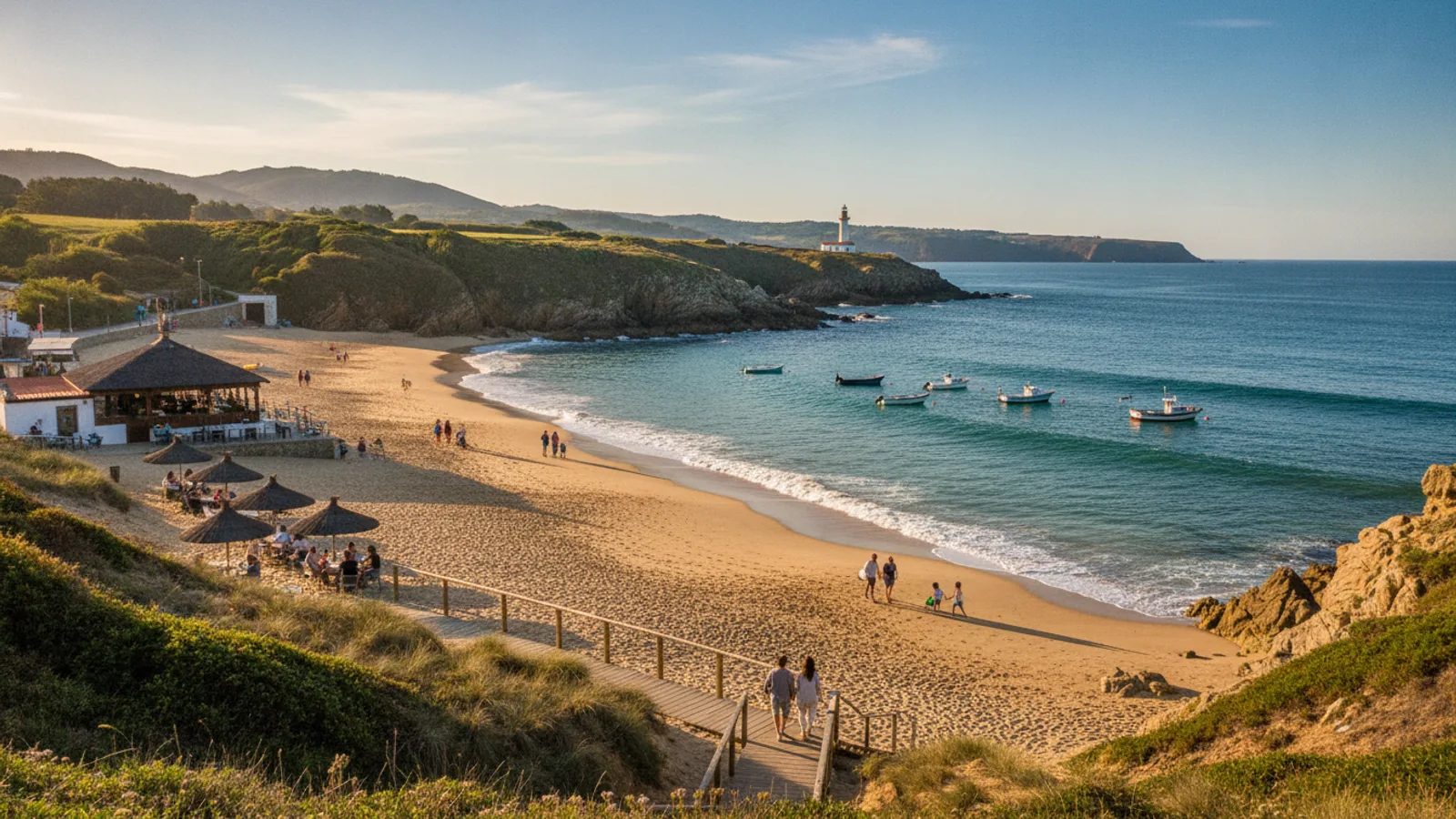
How Much Does A Vacation To Hawaii Cost
A practical step-by-step guide to how much does a vacation to hawaii cost, including preparation, instructions, common issues, tips, and next steps.

How Much Does A Vacation To Hawaii Cost
Planning a holiday to Hawaii from the UK can seem daunting, especially when considering the costs. This guide breaks down exactly how much a vacation to Hawaii costs, covering flights, accommodation, food, transport, and activities. You’ll learn how to estimate your budget, identify key expenses, and make informed choices to suit your financial plan, whether you're aiming for a budget-friendly trip or a luxurious escape.
Fast Answer
- Typical Cost (7 days, per person from UK): £3,000 - £8,000+
- Flights (return from UK): £1,000 - £2,000+ per person
- Accommodation (7 nights): £1,500 - £5,000+ for a couple
- Food (per day): £60 - £150+ per person
- Car Rental (per day): £50 - £120+
- Activities (per day): £40 - £150+ per person
Before You Start
- Clear travel dates: Having a rough idea of when you want to travel will help you research flight and accommodation prices accurately.
- Number of travellers: Know how many adults and children are travelling, as this directly impacts total costs.
- Desired duration: A typical Hawaii trip from the UK is 7-14 days, but your chosen length will significantly affect the budget.
- Estimated budget range: Have a preliminary idea of what you are willing to spend overall. This helps narrow down choices.
- Internet access: Essential for research, price comparisons, and booking.
- Payment methods: Credit card or debit card for bookings and in-destination spending.
Step-by-Step Instructions
Understand the Main Cost Categories
Before diving into specific numbers, it's crucial to understand where your money will likely go. A Hawaii vacation from the UK involves several major expense categories, each with varying costs depending on your preferences. Breaking these down helps you budget effectively and adjust spending in different areas.
The primary cost categories are:
- Flights: This is often the largest single expense due to the long distance from the UK.
- Accommodation: Hotels, resorts, or holiday rentals, varying by island, location, and luxury level.
- Food and Drink: Dining out, groceries for self-catering, and snacks.
- On-Island Transportation: Car rental, fuel, public transport, taxis, or ride-sharing services.
- Activities and Excursions: Tours, surf lessons, luaus, museum entries, and other paid experiences.
- Travel Insurance: Essential for any international trip, covering medical emergencies, cancellations, and lost luggage.
- Miscellaneous and Contingency: Souvenirs, tips, unforeseen expenses, and a buffer for unexpected costs.
Each of these categories offers a wide range of choices, allowing you to tailor your trip to your budget. For example, opting for self-catering instead of dining out every night can significantly reduce food costs.
Research Flights from the UK to Hawaii
Flights are generally the most significant cost when planning a Hawaii vacation from Great Britain. The distance means long travel times and higher prices. It's rare to find direct flights from the UK to Hawaii; you'll almost always have at least one stopover, often on the US mainland (e.g., Los Angeles, San Francisco, Seattle) or occasionally Canada.
To start, use major flight comparison websites to get an initial overview. Input your desired departure airport (e.g., London Heathrow, Manchester) and your preferred Hawaiian arrival airport (Honolulu on Oahu is often the cheapest to fly into, but you might want to consider Kahului on Maui or Kona/Hilo on the Big Island). Pay attention to:
- Time of Year: Peak season (winter holidays, summer school holidays) will see significantly higher prices. Shoulder seasons (April-May, September-October) often offer better value.
- Booking in Advance: Generally, booking flights 6-12 months ahead can secure better deals. Leaving it too late often results in higher fares.
- Flexibility: Being flexible with your travel dates by a few days can sometimes lead to substantial savings. Use 'flexible date' search options if available.
- Airline Choice: Different airlines offer different price points and service levels. Consider a mix of traditional and budget carriers for legs within the US if applicable.
- Layovers: Flights with multiple or longer layovers might be cheaper but will extend your travel time considerably.
Expect return economy flights from the UK to Hawaii to range from £1,000 to £2,000+ per person. Premium economy, business, or first-class fares will be substantially higher.
Choose Your Accommodation Type and Location
Accommodation is the second major expense and offers immense flexibility in terms of budget. Hawaii provides a wide range of options, from budget hostels to luxury resorts and private holiday rentals. Your choice of island and specific location will also greatly influence costs.
Consider the following:
- Hotels vs. Resorts: Resorts typically offer more amenities (pools, restaurants, activities) but come with a higher price tag, often including mandatory "resort fees" not always included in the initial quoted price. Standard hotels can be more affordable.
- Holiday Rentals (Condos/Airbnbs): These can be a cost-effective option, especially for families or longer stays, as they often include kitchen facilities, allowing for self-catering. Prices vary widely by size, location, and amenities.
- Hostels/Guesthouses: The most budget-friendly option, primarily found on Oahu, suitable for solo travellers or those on a very tight budget.
- Island Choice: Some islands are generally more expensive than others. Maui and Oahu (especially Waikiki) tend to be pricier for accommodation, while parts of the Big Island or Kauai might offer slightly better value.
- Location within Island: Beachfront properties are the most expensive. Staying a short walk or drive away from popular areas can save you money.
- Booking in Advance: Like flights, booking accommodation several months ahead, especially for popular times, can secure better rates and ensure availability.
For a typical 7-night stay, expect accommodation costs to range from £1,500 for a modest hotel or condo up to £5,000+ for a high-end resort. Don't forget to factor in potential resort fees (often £20-£50 per night) and local taxes.
Plan for Food and Drink Expenses
Food and drink in Hawaii can be surprisingly expensive, often more so than on the US mainland, due to everything being imported. This is an area where careful planning can lead to significant savings. Your approach to dining will heavily influence this part of your budget.
Consider these strategies:
- Dining Out: Eating every meal at restaurants, especially tourist-focused ones, will quickly inflate your costs. Expect a sit-down meal at a mid-range restaurant to cost £20-£40 per person, excluding drinks. Fancier restaurants can be much more.
- Groceries and Self-Catering: If your accommodation has a kitchen or kitchenette, buying groceries and preparing some of your meals is the most effective way to save money. Supermarket prices are higher than in the UK, but still cheaper than constant dining out. Expect to spend £80-£150+ for a week's worth of basic groceries for two.
- Food Trucks and Casual Eats: Hawaii is famous for its diverse food trucks, offering delicious and more affordable options. Look for plate lunches, poke bowls, and local snacks. These can range from £8-£15 per meal.
- Happy Hours: Many restaurants and bars offer happy hour specials on drinks and appetisers, which can be a good way to enjoy dining out at a lower cost.
- Water: Stay hydrated, especially in the warm climate. Buying bottled water constantly adds up; consider bringing a reusable water bottle and refilling it.
For a realistic budget, plan for £60-£150+ per person per day for food and drink, depending on your dining habits. A family opting for a mix of self-catering and occasional dining will fall towards the lower end, while those eating out for every meal will be at the higher end.
Factor in On-Island Transportation
How you get around Hawaii's islands is a crucial cost component. While public transport exists, it's generally not extensive enough for comprehensive sightseeing, especially outside of Honolulu. For most visitors, particularly those wanting to explore, a rental car is highly recommended.
Break down your transportation budget as follows:
- Car Rental: This is often essential for flexibility and reaching many attractions. Rental car prices vary significantly by island, demand, and how far in advance you book. Expect to pay £50-£120+ per day for a standard economy or compact car. Prices increased significantly after the pandemic, so always book well in advance.
- Fuel: Petrol prices in Hawaii are higher than the US mainland and the UK. Factor in daily fuel costs, especially if you plan extensive driving.
- Parking: Parking can be expensive in popular areas like Waikiki and at some resorts, often costing £20-£40 per night or per day. Always check parking fees for your accommodation and planned activities.
- Public Transport: On Oahu, "TheBus" is an affordable option for getting around Honolulu and to some outer areas. Other islands have more limited or non-existent public bus services. A single fare is typically a few dollars.
- Taxis/Ride-sharing: Services like Uber and Lyft are available, primarily in urban areas. These can be convenient for short trips but quickly add up for longer distances or frequent use.
- Inter-Island Flights: If you plan to visit multiple islands, you'll need to budget for inter-island flights. These typically cost £50-£150 per person per flight, depending on the route and how far in advance you book.
For a week-long trip with a rental car, budget at least £400-£1,000+ for car rental, fuel, and parking. Add extra for inter-island flights if applicable.
Budget for Activities and Excursions
Hawaii offers an incredible array of activities, from free beach days to high-cost adventures. This category allows for significant flexibility in your budget based on your interests and willingness to spend.
Consider the blend of free and paid activities:
- Free Activities: Enjoying Hawaii's natural beauty costs nothing. This includes spending time on world-famous beaches, hiking numerous trails, snorkelling from the shore (if you bring your own gear), visiting scenic viewpoints, and exploring local parks.
- Mid-Range Activities: These might include snorkelling tours (£50-£100 per person), surf lessons (£60-£150 per person), visiting historical sites like Pearl Harbor (some parts free, others paid tours from £20-£50+), or entrance fees to botanical gardens or state parks.
- High-Cost Activities: For those seeking unique experiences, consider a luau (traditional Hawaiian feast and show, typically £100-£200+ per person), a helicopter tour (£250-£600+ per person), or deep-sea fishing charters (£150-£300+ per person).
- Equipment Rental: If you don't bring your own, you might need to rent items like snorkel gear (£10-£20 per day), paddleboards (£20-£40 per hour/half-day), or surfboards (£20-£50 per day).
To budget effectively, list the activities you absolutely want to do and research their current prices. For a diverse trip, budget £40-£150+ per person per day for activities. If you plan several high-cost excursions, this figure will be significantly higher.
Include Travel Insurance and Miscellaneous Costs
While not the most exciting part of holiday planning, travel insurance is non-negotiable for a trip to Hawaii from the UK. The US healthcare system is extremely expensive, and unforeseen events can quickly rack up huge bills without proper coverage. Additionally, always build in a buffer for those small, unexpected expenses that inevitably arise.
Essential considerations for this category:
- Travel Insurance: Purchase comprehensive travel insurance that covers medical emergencies (including repatriation), trip cancellation/interruption, lost luggage, and personal liability. Compare policies from reputable providers. A good policy for a week in Hawaii might cost £50-£200+ per person, depending on age, health, and coverage level. Do not skimp on this.
- Tips (Gratuities): Tipping is customary in the US for service industries. Budget for 15-20% for restaurant servers, bartenders, taxi drivers, tour guides, and hotel housekeepers. This can add a significant amount to your overall spending, so factor it in.
- Souvenirs: Whether it's a small token or a larger item, souvenirs add up. Decide on a budget for these items.
- Shopping: If you plan to do any clothes or gift shopping, allocate funds for this.
- Unexpected Expenses/Buffer: Always include a 10-15% buffer in your total budget for unforeseen costs like an unexpected car repair, a forgotten item you need to buy, or simply a spontaneous treat. This prevents financial stress if something doesn't go exactly to plan.
- Visa/ESTA: As a UK citizen, you will need an ESTA to enter the US, which costs $21 (approx. £16-£18) per person and is valid for two years.
For a couple, these miscellaneous costs, including tipping and a buffer, could easily add another £300-£800+ to your total trip cost, depending on your spending habits.
Quick Reference
| Situation | Use this | Why |
|---|---|---|
| Trying to save money on food | Book accommodation with kitchen/kitchenette | Allows for self-catering, significantly reducing dining out costs. |
| Booking last minute | Expect higher prices for flights and car rentals | Demand often outweighs supply, especially for popular routes and peak seasons. |
| Planning to explore multiple islands | Budget for inter-island flights and car rentals on each island | Each island requires its own transport; flying between them is necessary. |
| Worried about unexpected costs | Add a 10-15% contingency buffer to your total budget | Accounts for tips, souvenirs, and unforeseen expenses without stressing your finances. |
| Wanting to experience local culture on a budget | Seek out food trucks, farmers' markets, and free beach/hiking activities | These options offer authentic experiences without high price tags. |
Common Problems When Planning a Hawaii Vacation Cost
-
Underestimating Food Costs: Many visitors are surprised by how expensive groceries and restaurant meals are.
Fix: Actively plan a mix of self-catering, casual eateries, and occasional restaurant dining. Research local supermarket prices before you go.
-
Not Booking Flights and Accommodation Early Enough: Waiting too long can lead to much higher prices and limited availability, especially for specific dates or popular islands.
Fix: Aim to book flights and key accommodation 6-12 months in advance, particularly if travelling during peak seasons (winter, summer, school holidays).
-
Ignoring Car Rental Needs or Costs: Public transport is limited outside of Honolulu. Many beautiful spots are only accessible by car, and rental prices can be high.
Fix: Budget for a rental car for most of your trip, research prices well in advance, and factor in fuel and parking costs. Book your car when you book your flights.
-
Forgetting Travel Insurance: The cost of medical care in the US is astronomical, making travel insurance absolutely vital.
Fix: Purchase comprehensive travel insurance that covers health emergencies, trip cancellation, and lost luggage as soon as you book your trip. Do not travel without it.
-
Hidden Resort Fees and Taxes: Many resorts charge mandatory "resort fees" daily, which aren't always included in initial booking prices. Local taxes also apply.
Fix: Always check the "fine print" of accommodation bookings for resort fees and be aware that local taxes will be added to most purchases.
-
Underestimating Tipping Culture: Tipping is expected for almost all service industries in the US, which can add a significant amount to your overall budget.
Fix: Budget an extra 15-20% for meals, taxi rides, and other services. Keep small denominations of cash handy for bellhops or housekeepers.
Advanced Tips for Managing Hawaii Vacation Costs
- Travel During Shoulder Season: The periods between peak and off-peak (April-May and September-October) often offer pleasant weather, fewer crowds, and lower prices for flights and accommodation compared to winter or summer.
- Consider Less-Visited Islands for Portions of Your Trip: While Oahu and Maui are popular, islands like the Big Island (Hawaii) or Kauai can sometimes offer slightly better value for accommodation or activities, depending on what you're looking for. Research all options.
- Mix High-Cost and Free Activities: Balance expensive tours like helicopter rides or luaus with plenty of free activities like beach days, hiking, snorkelling from the shore, and exploring small towns.
- Leverage Loyalty Programmes: If you collect airline miles or hotel points, Hawaii can be an excellent destination to redeem them, potentially covering a significant portion of your flight or accommodation costs.
- Use Price Alerts and Incognito Mode: Set up price alerts for flights and hotels on multiple comparison sites. When browsing, use your browser's incognito or private browsing mode to prevent dynamic pricing based on your search history.
- Pack Smart to Avoid Buying Essentials: Bring your own reusable water bottle, sunscreen (reef-safe, as required in Hawaii), basic first-aid, and any preferred snacks to avoid inflated prices at tourist shops.
- Look for Local Deals and Discounts: Once on the island, check local coupon books, visitor guides, or online forums for discounts on activities, restaurants, or attractions. Sometimes, booking direct with smaller local operators can offer better value than large tour companies.
- Consider a Cruise for Multi-Island Exploration: While not for everyone, a Hawaiian cruise can be a surprisingly cost-effective way to visit multiple islands without the hassle and expense of inter-island flights and separate accommodation bookings.
How Much Does A Vacation To Hawaii Cost FAQ
Is Hawaii really that expensive for a holiday from the UK?
Yes, Hawaii is generally considered an expensive holiday destination, especially when travelling from the UK. The main factors driving up the cost are the long-haul flights, high accommodation prices (particularly at resorts), and the cost of imported goods, which makes food and other services pricier than many other destinations.
What is the cheapest time to visit Hawaii?
The cheapest times to visit Hawaii are typically during the "shoulder seasons": late April to early June (excluding the last week of May for US Memorial Day) and September to early December (excluding Thanksgiving week). During these periods, you'll often find lower prices for flights and accommodation, and fewer crowds, while still enjoying excellent weather.
How much spending money do I need per day in Hawaii?
Excluding flights and accommodation, a realistic daily spending budget for Hawaii is typically £100 - £250+ per person. This covers a mix of food (some self-catering, some dining out), activities, local transport (fuel/parking if renting a car), and small miscellaneous items. If you plan many high-cost activities or dine out frequently, you'll need more.
Can I do Hawaii on a budget?
Yes, it is possible to do Hawaii on a budget, but it requires careful planning and making conscious choices. This might involve travelling during the shoulder season, staying in budget accommodation (hostels, guesthouses, or cheaper holiday rentals with kitchens), self-catering many meals, relying on free activities (beaches, hiking), and using public transport where available (mainly Oahu).
How long should a first-time trip to Hawaii be?
For a first-time trip from the UK, a duration of 10 to 14 days is often recommended. This allows enough time to recover from the long journey and to properly explore one or two islands without feeling rushed. A shorter trip might feel too brief given the extensive travel time.
Final Checklist for Planning Your Hawaii Vacation Cost
- Budget for Each Category: Have estimated costs for flights, accommodation, food, transport, activities, and insurance.
- Book Flights Early: Secure your long-haul flights at least 6-12 months in advance for the best prices.
- Reserve Accommodation: Book your hotel or holiday rental well ahead, checking for resort fees and cancellation policies.
- Plan Food Strategy: Decide on a mix of self-catering, casual dining, and occasional restaurant meals to manage costs.
- Secure Car Rental: Book your rental car as soon as flights are confirmed, especially for islands where it's essential.
- List Activities & Costs: Detail your must-do activities and research their current prices, balancing free and paid options.
- Purchase Travel Insurance: Ensure you have comprehensive travel insurance covering medical, cancellation, and baggage.
- Apply for ESTA: Obtain your Electronic System for Travel Authorization (ESTA) well before your departure date.
- Factor in Tips and Buffer: Allocate funds for gratuities and include a 10-15% contingency for unforeseen expenses.
- Monitor Prices: Use price alerts for flights and accommodation leading up to your trip to catch any potential drops.