How To Plan A Group Trip
A practical step-by-step guide to how to plan a group trip, including preparation, instructions, common issues, tips, and next steps.

How To Plan A Group Trip
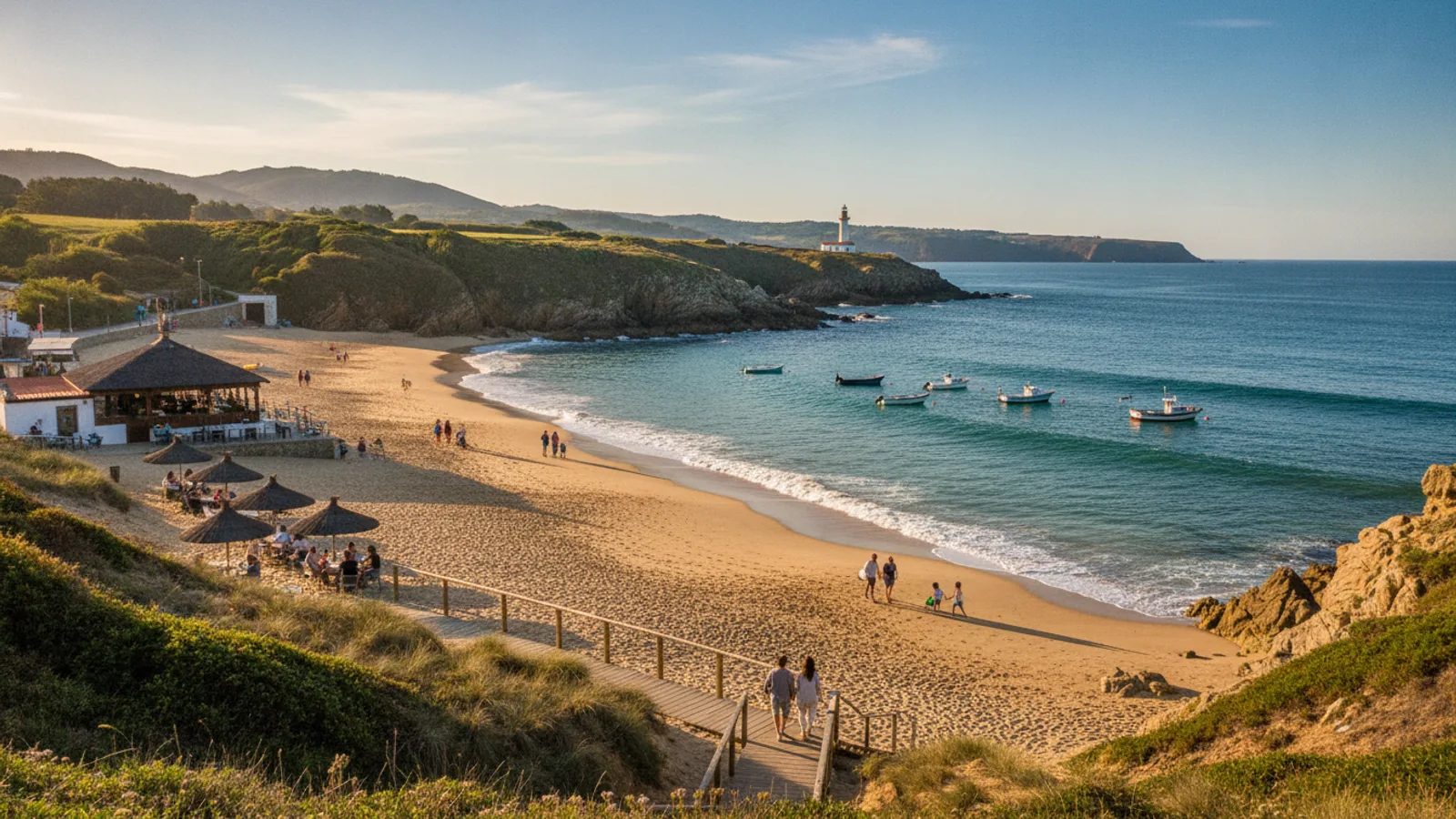
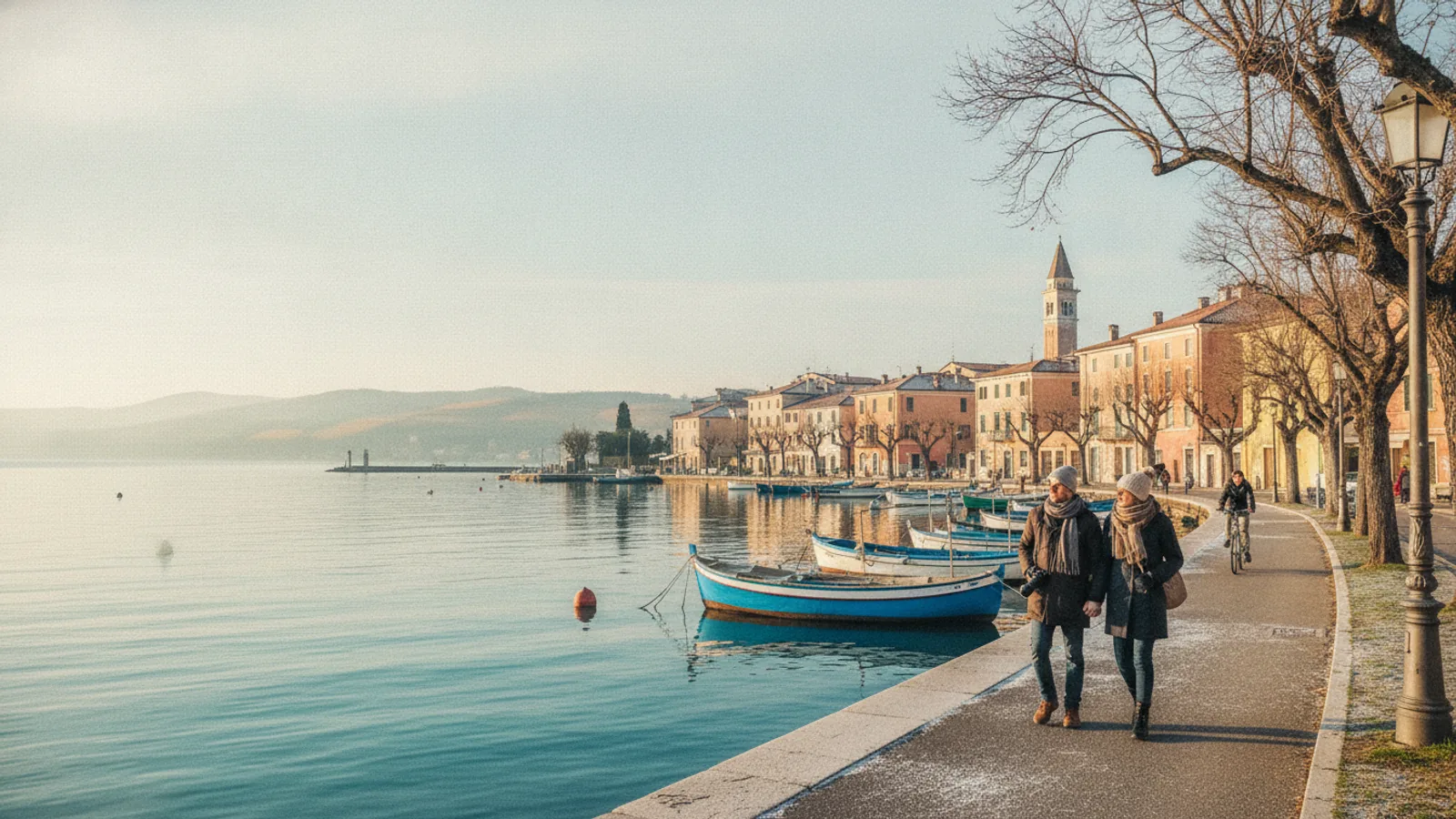
Planning a trip with friends or family can be exciting, but it often comes with challenges like coordinating schedules, agreeing on activities, and managing budgets. This guide provides a clear, step-by-step approach to help you organise a successful group holiday, from initial ideas to departure and beyond. It's designed to make the process smoother, reduce stress, and ensure everyone has a fantastic time, whether you're off to the beaches of Grado or exploring the villages of Friuli.
Fast Answer
- First step: Elect a group leader and define your trip's purpose together.
Before You Start
Before diving into the details, gather the necessary tools and ensure everyone is on the same page about the fundamental aspects of the trip. A little preparation goes a long way in preventing headaches later.
- Dedicated Communication Channel: Set up a WhatsApp group, email chain, or shared online chat (like Discord) where all group members can easily communicate and receive updates.
- Shared Document Platform: Use a tool like Google Docs, Notion, or a simple shared spreadsheet for recording ideas, itineraries, budgets, and contact information. This ensures everyone has access to the latest plans.
- Budget Tracking Spreadsheet: A dedicated spreadsheet to track all shared expenses and individual contributions is crucial. This helps maintain transparency and fairness with money.
- Provisional Traveller List: Have a rough idea of who is likely to come. This helps in estimating group size for bookings.
- Clear Intent: A basic understanding of the group's general travel style (e.g., adventure, relaxation, cultural exploration) and a rough idea of preferred travel dates.
Step-by-Step Instructions
1. Define Your Group's Vision and Purpose
Start by having an open discussion with everyone about what kind of trip they envision. This initial brainstorming session is vital for aligning expectations and ensuring everyone feels heard. Discuss the core purpose: Is it a relaxing beach holiday, an adventurous hiking trip, a cultural city break, or a family reunion?
Consider the main priorities for the group. Some might value fine dining, others budget-friendly activities, and some simply want to relax. By understanding these diverse desires early, you can aim to build an itinerary that offers a good balance. This step is about setting a broad framework, not finalising every detail.
Ask open-ended questions like: "What's most important to you on this trip?" or "What's your ideal holiday vibe?" Use a poll or a simple shared document to gather initial ideas for destinations and activities, without making any firm commitments yet. This helps create a sense of collective ownership from the very beginning.
2. Elect a Group Leader and Establish Communication
A successful group trip almost always benefits from a designated leader or a small planning committee. This person (or team) acts as the central point of contact, manages the main communications, and keeps the planning process on track. While decisions should be collaborative, having someone responsible for organisation avoids confusion and ensures tasks are completed.
Once the leader is chosen, set up your primary communication channel, such as a WhatsApp group or email thread. Clearly state that this will be the main platform for all trip-related discussions and updates. Agree on how frequently updates will be shared and what information requires group consensus versus what the leader can decide. For example, major decisions like destination and dates need full group agreement, while smaller itinerary details might be handled by the leader with input.
Outline expectations for participation. Should everyone check the group chat daily? Are there specific times for discussions? Good communication is the backbone of a smooth group trip, preventing misunderstandings and ensuring everyone stays informed.
3. Agree on Budget Ranges and Dates
This is often the most challenging but crucial step: establishing a realistic budget and firm travel dates. Different people will have different financial comfort levels, so open and honest discussion is essential. Determine a realistic price range per person, covering flights, accommodation, activities, and daily expenses. It’s better to overestimate slightly than to run into unexpected costs.
Similarly, find dates that work for the majority of the group. Use a simple poll or a shared calendar tool (like Doodle Poll) to identify common availability. Be prepared for some compromises; it’s rare that every single person will be free for every proposed date. Aim for dates that suit the core group members and offer a reasonable travel duration.
Once a budget range and dates are agreed upon, commit to them. These decisions will significantly narrow down destination and accommodation options, making the next steps much more manageable. If there are significant disparities in budgets, discuss options like splitting costs unevenly (e.g., some staying in a slightly nicer room, others in a standard) or choosing a more budget-friendly destination.
4. Research Destinations and Accommodation Options
With a budget and dates in hand, the group leader or planning committee can now research specific destinations and accommodation. Based on the group's vision (Step 1), find a few suitable options that fit within the agreed budget and dates. For example, if the group desires a relaxing beach holiday near Friuli, consider Grado, Lignano Sabbiadoro, or even further afield like Croatia if the budget allows.
When looking at accommodation, consider the group size and dynamics. Would a large holiday villa with shared spaces be better, or individual hotel rooms? Look for places with good common areas for socialising, appropriate sleeping arrangements, and amenities that match the group's needs (e.g., kitchen, pool, accessibility). Always check recent reviews.
Present a curated selection of 2-3 options to the group, detailing pros, cons, and estimated costs for each. This prevents overwhelming the group with too many choices. Include photos and brief descriptions to help everyone visualise the experience. Allow time for discussion and a final vote before moving to booking.
5. Book Travel and Accommodation
Once the destination and accommodation are agreed upon, it's time to make the bookings. The group leader is usually responsible for this, acting as the primary contact for travel providers. Ensure you have everyone's full legal names exactly as they appear on their passports before booking flights. Double-check all dates, times, and booking details.
For accommodation, be clear about the deposit requirements, cancellation policies, and final payment deadlines. If booking a large villa, confirm how many people it can comfortably sleep and any house rules. Always get written confirmations for all bookings and store them in your shared document platform for easy access by all group members.
Consider whether travel insurance is needed at this stage. It's often a good idea for group trips to protect against unforeseen cancellations, medical emergencies, or lost luggage. Discuss with the group whether to purchase individual policies or a group policy if available.
6. Plan Activities and Create a Flexible Itinerary
Now for the fun part: planning what you'll actually do on the trip! Gather ideas from the group for activities, excursions, and meals. Again, present a few options for key activities and allow the group to vote. It's important to strike a balance between planned activities and free time. Over-scheduling can lead to group fatigue and disagreements.
Create a draft itinerary that includes major bookings (flights, accommodation) and any pre-booked activities. Leave plenty of slots marked "Free Time" or "Optional Activity" to allow for spontaneity or individual interests. This flexibility is key to keeping everyone happy.
For destinations like Friuli Grado, you might include a mix of beach days, exploring historical sites in Grado, a wine tasting tour in the Collio region, or a day trip to Udine. Share the draft itinerary with the group for feedback and make adjustments as needed. Remember, not everyone needs to participate in every single activity.
7. Manage Finances and Collect Payments
Financial management is crucial for group harmony. Use your budget tracking spreadsheet to log all deposits and payments made, and clearly outline who owes what. Set clear deadlines for everyone to send their share of costs, whether for initial deposits or final balances. The group leader is usually responsible for collecting and tracking these payments.
Consider using a specific app or bank transfer system for group payments (like Splitwise or a dedicated group bank account) to make the process easier and more transparent. For shared expenses during the trip (e.g., groceries, shared taxis), decide beforehand how these will be split. Will one person pay and be reimbursed, or will you use a "group kitty" where everyone contributes a fixed amount at the start?
Maintain open communication about money. If someone is struggling to make a payment, encourage them to speak up early so solutions can be found without impacting the entire group's plans. Regular updates on the financial status of the trip can help prevent surprises.
8. Prepare for Departure
As the departure date approaches, there are several final checks to make. Send a comprehensive "Final Details" email or message to the group a week or two before leaving. This should include the confirmed itinerary, booking references, emergency contact numbers, packing suggestions, and any last-minute instructions.
Remind everyone to check their travel documents (passport, visas, tickets) and ensure they are easily accessible. Advise on any specific health requirements, such as recommended vaccinations or local health precautions. If you're using a shared villa, discuss who will bring what shared items (e.g., specific toiletries, games, snacks) to avoid duplication.
Confirm meeting points and times for travel, whether at the airport, train station, or a designated pick-up spot. Distribute copies of the itinerary and important contact numbers, both digitally and as a printed backup, to every group member. Make sure at least two people have access to all booking confirmations in case the leader is unavailable.
9. Enjoy the Trip and Stay Flexible
After all the planning, it's time to enjoy your group trip! While a well-planned itinerary is helpful, remember to stay flexible. Travel often comes with unexpected changes, such as flight delays, weather issues, or a group member feeling unwell. Be prepared to adapt plans on the fly without letting it spoil the overall experience.
Encourage open communication during the trip. If someone wants to do something different or needs a break from the group, create space for that without judgment. The goal is for everyone to have a good time, and that might mean individual exploration some days. As the group leader, try to mediate any minor disagreements calmly and find compromises.
Focus on creating shared memories and enjoying the company. Take photos, try new experiences together, and embrace the local culture. Remember that not every moment needs to be perfect; the shared experience, even with its small challenges, is what truly builds connections.
10. After the Trip: Share Memories and Feedback
The trip doesn't truly end when you get home. Encourage everyone to share their photos and videos in a shared album (e.g., Google Photos, Flickr). This creates a wonderful collection of memories and allows everyone to relive the experience from different perspectives.
Have a brief "debrief" with the group, either virtually or in person, to discuss what went well and what could be improved for future group trips. This feedback is invaluable for future planning. Was the communication effective? Was the budget realistic? Were there enough planned activities or too many?
Finally, thank everyone for their participation and for making the trip a success. Acknowledge the efforts of the group leader and anyone else who contributed significantly to the planning. This positive closure fosters goodwill and sets the stage for future adventures together.
Quick Reference
| Situation | Use this | Why |
|---|---|---|
| Group disagreements on plans | Facilitate a vote with limited options (2-3 choices) | Ensures everyone has a say and decision-making moves forward without endless debate. |
| Budget disparities among travellers | Offer varied options (e.g., shared vs. private rooms) or aim for a mid-range budget, allowing individuals to upgrade. | Accommodates different financial comfort levels and ensures inclusion. |
| Difficulty coordinating schedules | Use an online polling tool (e.g., Doodle Poll) for key dates | Visually identifies the best dates that work for the majority of the group. |
| Uneven splitting of shared expenses | Utilise a dedicated expense-splitting app (e.g., Splitwise) or a group kitty. | Maintains transparency, tracks who owes what, and ensures fair contributions. |
| Last-minute changes or unexpected issues | Build in buffer time in the itinerary and have a contingency plan (e.g., alternative activity). | Reduces stress and allows for flexibility without derailing the entire trip. |
| Lack of participation in planning | Assign specific, small tasks to individuals or ask for direct input on a specific item (e.g., "Can you research X?"). | Encourages engagement without overwhelming and distributes workload. |
Common Problems When You Plan A Group Trip
Even with careful planning, group trips can encounter common hurdles. Being aware of these challenges ahead of time can help you address them quickly and prevent them from becoming major issues.
- Disagreements on Activities or Destinations: It’s common for individuals to have different interests. One person might want to visit every museum, while another just wants to relax by the pool. If not managed, this can lead to resentment or feelings of being unheard.
- Budget Disparities: This is perhaps the most frequent source of tension. Some group members may be on a tight budget, while others are willing to spend more on dining, activities, or accommodation. Ignoring these differences can cause awkward situations.
- Communication Breakdown: If key information isn't shared effectively or if some members aren't checking the group chat, people can miss out on important details, leading to confusion or missed events.
- Last-Minute Cancellations: Life happens, and sometimes a group member might have to pull out close to the trip. This can impact shared costs and accommodation bookings, potentially leaving others to cover the difference.
- Uneven Sharing of Tasks: Often, one or two individuals end up doing the bulk of the planning and organising. If tasks aren't delegated or if some members don't follow through, it can lead to burnout and frustration for the planners.
- Pace of Travel: Some people prefer an active, packed itinerary, while others enjoy a slower, more relaxed pace. Conflicting desires about how much to do each day can cause stress and friction.
- Personal Habits or Quirks: Living in close quarters with others, especially for an extended period, can highlight individual habits (e.g., early riser vs. night owl, tidiness levels) that might annoy others if not approached with tolerance.
Advanced Tips for How To Plan A Group Trip
Once you've mastered the basics, these advanced tips can help elevate your group trip planning to the next level, making the experience even smoother and more enjoyable for everyone.
- Consider a "Group Kitty" for Shared Expenses: Beyond simple expense splitting, a group kitty is a fund everyone contributes to at the start of the trip. This money is then used for communal items like groceries, shared taxis, or group entrance fees, simplifying daily transactions and reducing the need for constant tracking and reimbursement.
- Build in Dedicated "Me Time": Encourage and schedule specific periods where group members are free to do their own thing. This could be an afternoon for solo exploration, reading, or just relaxing. It helps prevent group fatigue and allows individuals to pursue personal interests without feeling obligated to stay with the main group.
- Use a Travel Agent for Complex Trips: For larger groups, multi-destination trips, or those involving complex logistics (e.g., requiring accessible accommodation), consider using a travel agent. They can often secure better group rates, handle all bookings, and provide expert advice, saving the group leader significant time and stress.
- Pre-Book Popular Attractions and Restaurants: If there are must-see sights or popular dining spots, book these well in advance. This avoids disappointment, long queues, and ensures your group can experience what they came for, especially in busy seasons.
- Create a "Micro-Group" System: For larger groups, consider breaking into smaller "micro-groups" for certain activities or meals. For example, some might want to go hiking, while others prefer shopping. Rejoining for main activities like dinner or evening entertainment keeps the group connected while allowing for diverse interests.
- Have a Designated Photographer/Videographer: Assign one or two people the informal role of capturing memories throughout the trip. This ensures you'll have plenty of high-quality photos and videos, and no one feels solely responsible for documenting everything.
- Plan for Contingencies: What if someone gets sick? What if a flight is cancelled? Have a basic emergency plan in place, including shared health insurance details, emergency contacts, and a general idea of how you'd handle unforeseen disruptions.
How To Plan A Group Trip FAQ
Here are some frequently asked questions about planning group trips, with practical answers to guide you.
What is the ideal group size for a trip?
The ideal group size often depends on the nature of the trip and the group dynamic. Generally, 4-8 people is considered manageable. Smaller groups are easier to coordinate, while larger groups (10+) might require more formal planning, a dedicated leader, and potentially a travel agent. Larger groups can also make booking accommodation and activities more challenging.
How do we handle different budgets within the group?
Open communication is key. Start by agreeing on a general budget range. For specific costs, offer options (e.g., a cheaper and a more expensive restaurant). For accommodation, consider options like a villa with rooms at different price points, or allowing some to stay slightly apart if they prefer a different budget. Using a shared expense app can also help manage individual contributions fairly.
Should we all get travel insurance?
Yes, it is highly recommended that every individual in the group obtains comprehensive travel insurance. This protects against unforeseen circumstances such as trip cancellations, medical emergencies, lost luggage, or personal liability. While some may choose individual policies, it's a vital safety net for everyone.
How far in advance should we start planning a group trip?
For most group trips, especially those involving flights or popular destinations, starting 3-6 months in advance is ideal. This allows ample time to gather availability, agree on decisions, research options, and book flights and accommodation before prices rise or availability becomes limited. For very large or complex trips, 9-12 months might be necessary.
What if someone in the group doesn't participate in planning?
It's common for some members to be less involved. The group leader can try to delegate specific, smaller tasks or ask for their input on particular decisions. If they consistently don't engage, ensure they are still aware of all key decisions and costs. Ultimately, the active planners may need to accept that some will prefer to simply show up once plans are finalised.
Final Checklist for How To Plan A Group Trip
Before you embark on your group adventure, run through this final checklist to ensure all essential elements are covered. A thorough check at this stage can prevent last-minute stress.
- All Major Bookings Confirmed: Flights, accommodation, and any major pre-booked tours or activities are confirmed and paid.
- Payments Collected: All group members have paid their share of the core trip costs, and the budget spreadsheet is updated.
- Travel Documents Ready: Everyone has valid passports (if applicable), visas (if applicable), and copies of their flight tickets and accommodation bookings.
- Emergency Contacts Shared: A list of in-group and out-of-group emergency contacts is shared among all members and accessible.
- Detailed Itinerary Distributed: A final itinerary, including all booking details, addresses, and important times, has been shared with everyone.
- Communication Channel Active: The group chat or communication method is active, and everyone knows how to use it for in-trip updates.
- Travel Insurance Secured: All members have confirmed they have appropriate travel insurance coverage for the duration of the trip.
- Packing Guidance Provided: Everyone has received suggestions for what to pack, considering the destination's weather and planned activities.
- Local Information Reviewed: Basic information about the destination, such as local currency, essential phrases, and local customs, has been shared.
- Contingency Plan in Mind: The group leader has considered potential issues and has a rough idea of how to handle them.