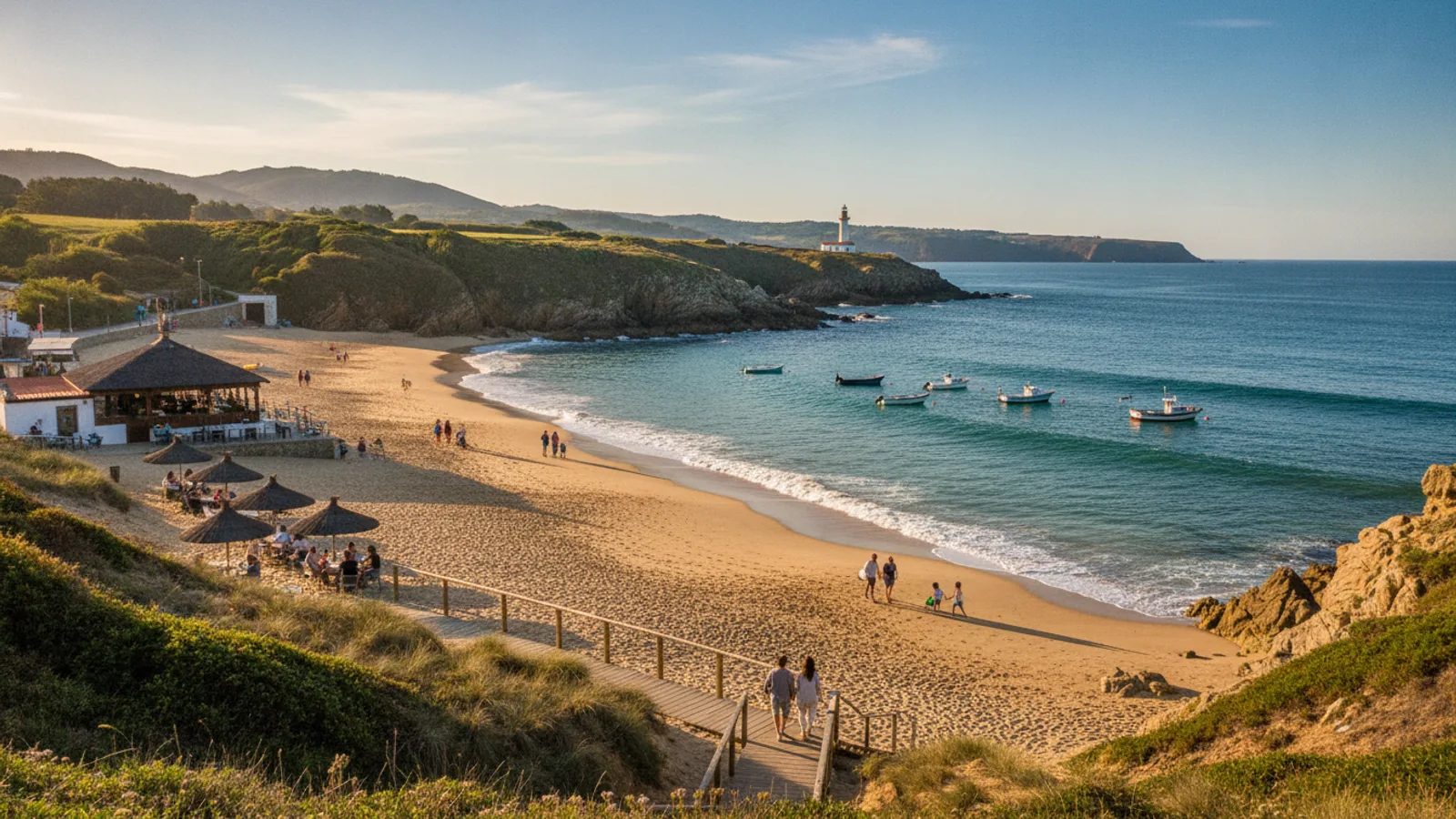
How To Prepare For A Hiking Trip
A practical step-by-step guide to how to prepare for a hiking trip, including preparation, instructions, common issues, tips, and next steps.

How To Prepare For A Hiking Trip
Preparing for a hiking trip involves more than just lacing up your boots. This guide will walk you through the essential steps to ensure a safe, enjoyable, and successful outing, whether you're tackling gentle coastal paths near Grado or exploring the foothills of the Friulian mountains. From planning your route and checking the weather to packing the right gear and telling someone your plans, we cover everything you need to know before you hit the trail.
Fast Answer
- Key Preparation: Plan your route, check weather, pack essentials, tell someone.
- Essential Gear: Appropriate footwear, layers, water, snacks, navigation, first-aid.
- Safety First: Always inform someone of your itinerary and expected return time.
Before You Start
Before you even think about putting on your hiking boots, a little preparation goes a long way. Proper planning ensures your trip is not only fun but also safe. Here’s what you absolutely need to consider:
- Know Your Route: Research the trail's length, elevation changes, and difficulty level. Understand the terrain you'll encounter.
- Check the Weather Forecast: Look up the weather for the specific area and time of your hike. Be prepared for sudden changes, especially in mountainous regions.
- Assess Your Fitness: Be realistic about your physical condition. Choose a hike that matches your ability, rather than overestimating it.
- Inform Someone: Always tell a trusted person your exact hiking route, who you are with, and your expected return time.
- Pack Essentials: Gather all necessary gear, including water, food, first-aid, navigation tools, and appropriate clothing layers.
- Hydrate: Begin hydrating well before your hike starts.
Step-by-Step Instructions on How To Prepare For A Hiking Trip
1. Choose Your Hiking Trail Wisely
The first step in how to prepare for a hiking trip is selecting a trail that suits your experience and fitness level. Don't pick the longest or steepest route for your first outing. Start with easier, shorter trails and gradually work your way up. Consider the type of terrain: flat coastal paths are very different from rocky mountain ascents. Research local guides or reputable hiking websites for trail descriptions, maps, and recent conditions.
Look for details like the trail's total distance, the amount of elevation gain, and whether it's a loop or an out-and-back. Read reviews from other hikers to get a realistic idea of what to expect. Knowing these details helps you anticipate the challenges and plan your time accordingly.
2. Check the Weather Forecast Thoroughly
Weather can change quickly, especially in areas with varied terrain. Before any hiking trip, check the weather forecast for the specific location and timeframe of your hike. Don't just look at the general regional forecast; mountain weather can be very different from valley weather. Pay attention to temperature, chance of rain, wind speed, and potential for thunderstorms.
A sunny start can quickly turn into a downpour or thick fog. Being prepared for varying conditions means you won't be caught off guard. If the forecast predicts severe weather, it's always best to postpone your trip. Your safety is paramount.
3. Pack the Essential Hiking Gear
Packing the right gear is crucial for comfort and safety. Think about the "Ten Essentials" of hiking, which cover critical items for navigating, protection, and emergency situations. You don't always need every single item for a short walk, but it's a good framework to consider.
- Navigation: Map and compass (and know how to use them!) or a fully charged GPS device/smartphone with offline maps.
- Sun Protection: Sunglasses, sunscreen, hat.
- Insulation: Extra layers of clothing appropriate for the expected lowest temperature. A lightweight jacket or fleece is always a good idea.
- Illumination: Headlamp or torch with extra batteries.
- First-Aid Supplies: Basic kit for cuts, blisters, pain relief, and any personal medications.
- Fire Starter: Waterproof matches, lighter, or fire starter (even if just for emergencies).
- Repair Kit and Tools: Knife or multi-tool, duct tape (can fix many things).
- Nutrition: Plenty of extra food for unexpected delays. Energy bars, nuts, dried fruit are good choices.
- Hydration: Ample water. Carry more than you think you'll need.
- Emergency Shelter: Lightweight emergency blanket or small tarp.
Choose a comfortable backpack that can hold all your gear and distributes weight evenly. Make sure everything is easily accessible, especially water and snacks.
4. Dress Appropriately for the Conditions
What you wear on a hike is just as important as what you pack. The key is layering, which allows you to adjust your clothing as temperatures and activity levels change. Avoid cotton clothing, as it absorbs sweat and stays wet, making you cold. Opt for synthetic materials or wool, which wick moisture away from your body and dry quickly.
- Base Layer: Wicks sweat away (e.g., merino wool or synthetic t-shirt).
- Mid-Layer: Provides insulation (e.g., fleece jacket).
- Outer Layer: Protects from wind and rain (e.g., waterproof and windproof jacket).
- Trousers: Comfortable, quick-drying hiking trousers. Avoid jeans.
- Footwear: Sturdy hiking boots or shoes with good ankle support and grip, suitable for the terrain. Break them in before your trip to prevent blisters.
- Socks: Moisture-wicking hiking socks (synthetic or wool) to prevent blisters.
- Headwear: Hat for sun protection or warmth.
Always bring an extra layer, even if the forecast looks good. It's better to have it and not need it than to need it and not have it.
5. Prepare Your Body for the Hike
Even if you're not planning a marathon, a hiking trip requires some physical readiness. Ensure you're well-rested the night before. Hydrate properly in the days leading up to your hike, not just the morning of. Drink plenty of water and avoid excessive alcohol.
Eat a balanced meal a couple of hours before you start to give your body sustained energy. During the hike, take regular short breaks to rest, drink water, and have a snack. Listen to your body and don't push yourself beyond your limits, especially if you're new to hiking.
6. Inform a Trusted Contact of Your Plans
This step is so important it bears repeating. Before you leave, tell someone reliable exactly where you are going, your planned route, your estimated start and finish times, and when you expect to be in contact again. Provide them with details of anyone hiking with you and any emergency contact numbers.
Agree on a specific time by which you will check in with them after your hike. If you don't check in by that time, they should know to contact the local emergency services. This simple action can be life-saving in an emergency, especially in areas with limited mobile phone signal.
7. Plan for Emergencies and Unexpected Situations
Even with the best preparation, unexpected things can happen. It's vital to have a plan. Your first-aid kit should be well-stocked for common injuries like cuts, scrapes, and blisters. Know how to use its contents. Carry a fully charged power bank for your mobile phone.
Consider what you would do if you got lost. Do you know how to use your map and compass? Could you signal for help? A whistle can carry sound further than your voice. Packing an emergency blanket can provide crucial warmth if you're stranded. Knowing basic survival skills, even just how to stay calm and assess your situation, can make a huge difference.
8. Respect Nature and Local Guidelines
As you prepare for a hiking trip, remember you are entering a natural environment. Follow the "Leave No Trace" principles: plan ahead and prepare, travel and camp on durable surfaces, dispose of waste properly, leave what you find, minimise campfire impacts, respect wildlife, and be considerate of other visitors.
This means packing out everything you pack in, including all rubbish and food scraps. Stay on marked trails to protect fragile ecosystems. Observe wildlife from a distance and never feed animals. By respecting nature, you help preserve the beauty and integrity of the hiking trails for everyone to enjoy.
Quick Reference: Hiking Preparation
| Situation | Use this | Why |
|---|---|---|
| Uncertain trail conditions | Check local park websites/apps | Provides up-to-date info on closures, difficulty, and specific regulations. |
| Risk of rain/cold | Pack waterproof layers & extra insulation | Essential for staying dry and warm, preventing hypothermia. |
| Getting blisters | Wear worn-in boots & moisture-wicking socks | Prevents friction and keeps feet dry; bring blister plasters. |
| Low mobile signal | Carry a physical map/compass & downloaded offline maps | Ensures navigation capabilities even without network coverage. |
| Running low on energy | Bring high-energy snacks (nuts, fruit, bars) & drink water frequently | Replenishes glycogen stores and maintains hydration. |
| Emergency situation | Whistle, charged phone, told a trusted contact your plan | Allows for signaling for help and ensures someone knows to raise an alarm. |
Common Problems When You Prepare For A Hiking Trip (And Their Fixes)
Even with careful planning, sometimes things go wrong. Knowing common pitfalls and how to address them can save your hike from becoming a struggle.
Problem: Blisters on Your Feet
Fix: Blisters are often caused by friction and moisture. Ensure your hiking boots are well broken-in before a long hike. Wear moisture-wicking synthetic or wool socks, and consider wearing two pairs (a thin liner sock under a thicker one). If you feel a hot spot forming, stop immediately and apply a moleskin patch or specific blister plaster before a full blister develops.
Problem: Running Out of Water
Fix: This is a serious risk, especially on longer hikes or in warm weather. Always carry more water than you think you’ll need. Research your route for potential water sources, but don't rely on them unless confirmed and you have a filter/purifier. Start hydrating well before your hike and drink regularly throughout, even if you don't feel thirsty.
Problem: Getting Lost on the Trail
Fix: The best fix is prevention: study your map, understand your route, and know how to use your navigation tools (map, compass, GPS, or phone app). If you realise you're lost, stay calm. Re-trace your steps if possible. If not, use your navigation tools to reorient yourself. Stay put if it's getting dark or you're unsure of your direction. Use a whistle to signal for help (three short blasts repeated).
Problem: Unexpected Weather Changes
Fix: Weather can be unpredictable, particularly in mountain environments. Always pack appropriate layers for colder temperatures and a waterproof outer shell, even if the forecast looks clear. If a storm rolls in, seek shelter if possible. If thunder and lightning are present, get off exposed ridges and away from tall trees. Turn back if conditions become too dangerous.
Problem: Carrying Too Much or Too Little Gear
Fix: This is a balance. For short, easy walks, you can carry less, but for longer or more challenging hikes, the "Ten Essentials" framework is vital. Review your pack before you leave. Lay out everything and consider if each item is truly necessary. A good rule of thumb is to carry only what you need to be safe and comfortable for the duration and conditions of your specific hike.
Advanced Tips for How To Prepare For A Hiking Trip
Once you've mastered the basics, these tips can help you enhance your hiking preparation and experience:
- Practice Navigation Skills: Don't just carry a map and compass; learn to use them effectively. Practice in familiar areas. Understand contour lines, bearings, and how to read terrain features. This is a crucial skill if your electronics fail.
- Pre-Hike Gear Check: Before every major hike, do a full gear check. Charge all electronics, check headlamp batteries, inspect your boots for wear, and ensure your first-aid kit is fully stocked and not expired.
- Optimise Your Pack Weight: For longer hikes, every gram counts. Invest in lightweight gear where possible, and only carry what is strictly necessary. Learn efficient packing techniques to distribute weight evenly and keep essentials accessible.
- Train Specifically: If you have a challenging hike planned, incorporate specific training into your routine. This could include uphill walks, stairs, or carrying a weighted pack to build stamina and strength.
- Learn Basic Repair Skills: Knowing how to mend a torn backpack strap with duct tape or tighten a loose boot lace can save your trip. A small multi-tool with pliers and a knife is invaluable.
- Master Layering: Understand how to use your layers effectively. Start cool, knowing you'll warm up. Add layers during breaks or when the temperature drops, and remove them to avoid sweating too much.
- Understand Trail Markers and Signage: Familiarise yourself with the typical trail markers in the region you're hiking. In Europe, trails are often marked with painted symbols (e.g., red and white stripes). Knowing these can prevent wrong turns.
- Consider a Personal Locator Beacon (PLB) or Satellite Messenger: For remote or challenging hikes where phone signal is non-existent, these devices can send an emergency signal or messages to loved ones, offering a significant safety net.
How To Prepare For A Hiking Trip FAQ
How far can I hike in a day?
This depends entirely on your fitness level, the terrain, and the elevation gain. A beginner might comfortably hike 5-8 miles (8-13 km) on relatively flat terrain, while experienced hikers can cover 15+ miles (24+ km) on challenging trails. Always start short and gradually increase your distance.
What kind of food should I bring?
Bring high-energy, non-perishable snacks that are easy to eat on the go. Good options include nuts, dried fruit, energy bars, sandwiches, cheese, and crackers. For longer hikes, consider packing a proper lunch. Avoid sugary drinks; water is best.
Do I really need special hiking boots?
For short, flat walks on well-maintained paths, sturdy trainers might suffice. However, for uneven terrain, rocky trails, or any hike where ankle support and good grip are important, dedicated hiking boots or shoes are highly recommended. They offer protection, stability, and comfort that regular shoes often lack.
How much water should I carry?
A good rule of thumb is to carry 1 litre of water for every 2-3 hours of hiking, per person. This can vary based on temperature, humidity, and your exertion level. Always err on the side of caution and carry more if you're unsure or if there are no reliable water sources on your route.
What if I encounter wildlife?
Generally, give wildlife space. Never approach or feed animals. Make noise while hiking to avoid surprising them. If you encounter a large animal, stay calm, make yourself look as big as possible, and back away slowly. Research specific wildlife in your hiking area beforehand (e.g., snakes, wild boar in Friuli) so you know how to react safely.
Is it safe to hike alone?
Hiking alone can be safe if you take extra precautions. Always choose well-trafficked trails, inform multiple people of your detailed plans, carry extra safety gear, and be highly self-sufficient. For remote or challenging trails, it's generally safer to hike with a companion.
Final Checklist for How To Prepare For A Hiking Trip
Use this checklist to ensure you haven't missed any crucial steps before you head out:
- Trail Chosen: Is the route suitable for my fitness and experience?
- Weather Checked: Am I prepared for all potential conditions?
- Contact Informed: Has someone reliable received my detailed plan and check-in time?
- Hydrated: Have I drunk enough water in the days leading up to the hike?
- Fed: Have I eaten a good meal before starting?
- Navigation: Do I have a map, compass, or charged GPS/phone with offline maps?
- Sun Protection: Hat, sunglasses, sunscreen packed?
- Insulation: Extra layers (fleece, lightweight jacket) packed?
- Illumination: Headlamp/torch with fresh batteries packed?
- First-Aid Kit: Fully stocked and accessible?
- Fire Starter: Matches/lighter packed for emergencies?
- Repair Kit: Multi-tool/knife and duct tape packed?
- Nutrition: Enough extra food/snacks packed?
- Hydration: Ample water carried for the duration?
- Emergency Shelter: Emergency blanket or small tarp packed?
- Appropriate Clothing: Wearing non-cotton layers, suitable trousers?
- Footwear: Worn-in hiking boots/shoes and moisture-wicking socks on?
- Rubbish Bag: Small bag for litter ready?
- Phone Charged: And power bank if needed?
- Local Rules: Am I aware of and ready to follow all trail and park guidelines?
By diligently following these steps, you'll be well-prepared for a safe and enjoyable hiking adventure. Happy trails!