How To Travel With Kids
A practical step-by-step guide to how to travel with kids, including preparation, instructions, common issues, tips, and next steps.

How To Travel With Kids
Travelling with children can be a hugely rewarding experience, creating lasting memories for the whole family. This guide explains how to prepare for, manage, and enjoy family trips, whether it's a short break to the sandy beaches of Grado or a longer journey further afield. You'll learn essential strategies for smooth journeys, happy kids, and relaxed parents, helping you avoid common pitfalls and embrace the joy of discovery together.
Fast Answer
- Start Planning Early: Book flights/accommodation well in advance, especially during peak seasons.
- Pack Smart: Prioritise essentials, comfort items, and child-specific medications.
- Entertainment: Bring a variety of activities to keep children engaged during travel and downtime.
- Flexibility: Be ready to adjust plans to suit your children's moods and needs.
- Pace Yourself: Avoid over-scheduling; allow for plenty of rest and free play.
Before You Start
Before you even begin to think about packing, a solid foundation of preparation can make all the difference when travelling with children. This stage focuses on understanding what you need and performing vital checks to ensure a safe and enjoyable trip.
What You Need
- Current Passports and Visas: Ensure all family members, including infants, have valid passports with at least six months validity beyond your return date. Check visa requirements for your destination well in advance.
- Travel Insurance: Comprehensive family travel insurance is crucial. It should cover medical emergencies, cancellations, lost luggage, and specific activities you plan to do.
- Child-Friendly Destination Research: Look into places that cater to families. For instance, destinations like Grado offer shallow, safe beaches, parks, and family-friendly dining options.
- Flexible Mindset: Perhaps the most important tool, a willingness to adapt plans and remain patient will significantly reduce stress.
- Basic First-Aid Kit: Include children's paracetamol/ibuprofen, antihistamines, antiseptic wipes, plasters, and any prescription medications your child needs.
- Entertainment for the Journey: Tablets with pre-loaded movies/games, activity books, small new toys, and comfort items like a favourite blanket or cuddly toy.
Safety, Timing, or Context Checks
- Age-Appropriate Activities: Consider the ages and interests of all your children. A toddler will need different stimulation than a teenager. Balance activities that appeal to everyone.
- Travel Timing: If possible, choose off-peak seasons to avoid crowds and often higher prices. Consider travelling during your child's natural sleep times (e.g., overnight flights for longer journeys) if it aligns with their routine.
- Accommodation Suitability: Research hotels or apartments that offer family rooms, interconnecting doors, cots, or kitchenettes. Check reviews for family-friendliness. Many hotels in Grado, for example, are well-equipped for families.
- Health Precautions: Consult your GP about any recommended vaccinations for your destination. Pack hand sanitiser and be mindful of food and water safety.
- Emergency Contacts: Have a list of important phone numbers, including your hotel, embassy, local emergency services, and travel insurance details, easily accessible.
Step-by-Step Instructions
Plan Your Destination and Itinerary Together
The first crucial step is to select a destination that genuinely welcomes families and then build an itinerary that balances adventure with comfort. Involve older children in the planning process; this can increase their excitement and cooperation.
Start by researching destinations known for being child-friendly. Look for places with safe environments, accessible attractions, and a slower pace if needed. For example, the Friuli-Venezia Giulia region, with its coastal town of Grado, offers a relaxed atmosphere, beautiful beaches, and family-friendly activities like cycling paths and nature reserves. Consider the travel time to your destination and how much time you want to spend getting there versus enjoying the location.
When planning your daily schedule, avoid the temptation to pack too much in. Children, especially younger ones, thrive on routine and can become overwhelmed by constant movement. Aim for one major activity per day, perhaps with a smaller, more relaxed one in the afternoon. Schedule downtime, such as a visit to a local park or simply relaxing at your accommodation, to prevent burnout for both children and parents.
Master the Art of Packing Smart
Packing for a family trip requires careful consideration to ensure you have everything you need without overpacking. The goal is to be prepared for various situations while keeping luggage manageable. Start by making a detailed packing list for each family member, then consolidate as much as possible.
Focus on essential clothing, choosing versatile items that can be mixed and matched. Always pack more changes of clothes for young children than you think you'll need, especially if they are prone to spills or accidents. Don't forget swimwear, sun hats, and appropriate footwear for walking and any planned activities. Pack a specific bag with all medications, toiletries, and first-aid supplies. Keep this bag easily accessible.
For children, consider a dedicated small backpack for each, allowing them to carry a few personal items like a favourite toy, a book, or a small snack. This gives them a sense of responsibility and excitement. Remember to pack comfort items that help children feel secure in new environments, such as a special blanket or stuffed animal.
Prepare for Travel Day Logistics
Travel day can be the most stressful part of the journey if not planned meticulously. Think through every stage of the travel process, from leaving your home to arriving at your destination, and anticipate potential challenges.
If flying, consider opting for direct flights whenever possible to minimise transitions and waiting times. If connections are unavoidable, ensure generous layovers to allow for delays, toilet breaks, and stretching little legs. Pre-book your seats together to avoid separation. Check airline policies on pushchairs and car seats; many allow you to take a pushchair to the gate.
For car journeys, ensure your vehicle is well-maintained and all child car seats are correctly installed. Plan your route to include regular stops for toilet breaks, stretching, and burning off energy. These breaks should ideally be every 2-3 hours for young children. Pack a separate "journey bag" with snacks, drinks, entertainment, and a change of clothes for quick access.
Keep Kids Entertained and Engaged En Route
Long travel periods can test anyone's patience, especially children's. Having a variety of entertainment options is key to a smooth journey. Mix active engagement with passive entertainment to keep interest levels high.
Digital devices can be a lifesaver, so ensure tablets or phones are fully charged and pre-loaded with age-appropriate movies, TV shows, and games. Don't forget headphones, especially for flights or public transport. However, balance screen time with non-digital activities. Pack colouring books, sticker books, small puzzles, or a deck of cards. Travel-sized board games can also be excellent for older children.
Encourage imaginative play by bringing small figurines or dolls. For younger children, peek-a-boo or simple songs can provide distraction and comfort. During car journeys, engage in games like "I Spy" or storytelling. Point out interesting landmarks or sights along the way to make the journey part of the adventure. Remember to pack plenty of snacks and drinks to prevent 'hangry' moments.
Manage Meal Times and Snacks Effectively
Food is a fundamental part of any travel experience, but with children, it requires extra planning. Maintaining a degree of familiarity and having readily available options can prevent hunger-related meltdowns and ensure everyone enjoys their meals.
Before you leave, pack a good supply of non-perishable, familiar snacks that your children enjoy. This could include fruit pouches, cereal bars, crackers, or dried fruit. These are invaluable for bridging gaps between meals, dealing with delayed food service, or when local options aren't appealing. Always carry a refillable water bottle for each family member to stay hydrated.
When dining out, research family-friendly restaurants that offer kid-specific menus or are known for being accommodating to children. In places like Grado, many trattorias and pizzerias are very welcoming and can often prepare simple pasta dishes or smaller portions. Don't be afraid to ask for modifications or if they have high chairs. Consider eating a little earlier than peak local dining times to avoid long waits and crowded environments, which can be challenging with tired children.
Prioritise Sleep and Downtime
One of the biggest factors influencing a child's behaviour while travelling is their sleep. Maintaining as much of their regular sleep routine as possible, even in new surroundings, is crucial for everyone's well-being. Overtired children are prone to meltdowns and irritability.
Build downtime into your itinerary. This doesn't mean just sitting in the hotel room; it could be a quiet hour at a local park, an afternoon nap for younger children, or simply a relaxed morning without a fixed schedule. Resist the urge to constantly be on the go, even if you feel you're missing out on attractions. A well-rested child will enjoy the experiences far more.
Upon arrival at your accommodation, try to establish a familiar sleep environment. Bring a favourite blanket, small toy, or even a portable white noise machine from home. Maintain bedtime rituals like reading a story or a warm bath. If your children are experiencing jet lag, gradually adjust their sleep schedule by exposing them to natural light during the day and ensuring a dark, quiet room at night.
Embrace Local Experiences Safely
Once you've arrived and settled, it's time to immerse yourselves in the destination. Doing so through a child's eyes can open up new perspectives, but always prioritise their safety and comfort.
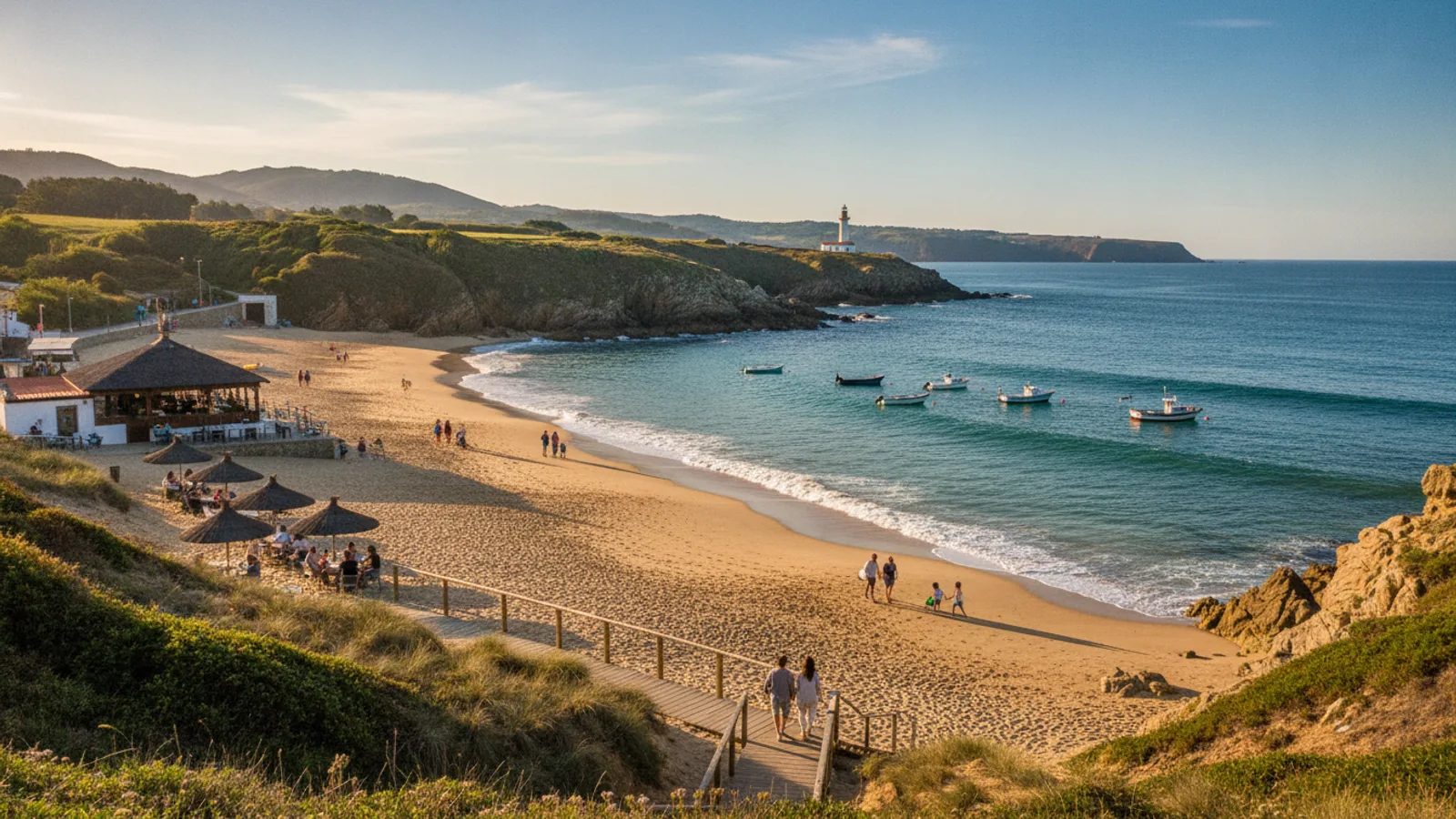
Seek out local attractions that are explicitly designed for children or have strong family appeal. In coastal towns like Grado, the shallow, calm waters of the Adriatic Sea are ideal for young swimmers, and the vast sandy beaches provide endless opportunities for building sandcastles. Look for local playgrounds, interactive museums, or nature walks suitable for little legs.
Always be aware of local safety practices. For instance, in sunny destinations, always apply high-factor sunscreen (SPF 30+), ensure children wear hats, and seek shade during the hottest parts of the day, typically between 11 AM and 3 PM. Teach children simple local phrases like "hello" and "thank you," and explain any cultural norms regarding children in public spaces. Keep an eye on children in crowded areas, perhaps using a brightly coloured top or a child locator if appropriate.
Handle Unexpected Situations with Calm
No matter how well you plan, travel with children inevitably involves unexpected challenges. The key is to respond calmly and adapt quickly, rather than letting disruptions ruin the entire trip.
Prepare for common minor ailments by having a small first-aid kit readily available, including remedies for cuts, bruises, headaches, or upset stomachs. Know how to access local medical services if needed; your hotel reception or local pharmacy can often provide guidance. Carry any prescription medications in their original packaging, along with a copy of the prescription.
In case of lost items, especially a favourite toy, try to retrace your steps or ask at the last place you remember seeing it. If a child gets temporarily separated in a crowd, instruct them beforehand to find a designated 'safe person' (like a security guard or a mother with children) or to stay put. Have a laminated card in their pocket with your contact details and the hotel address. For travel delays, remain calm and use the waiting time for extra playtime or to catch up on entertainment.
Quick Reference
| Situation | Use this | Why |
|---|---|---|
| Long Flight/Car Journey | Variety pack of entertainment (screens, books, small toys), frequent snacks, surprise small new items. | Prevents boredom, reduces restlessness, provides positive distraction, and keeps energy levels stable. |
| Picky Eater at Restaurant | Order simple, familiar dishes (e.g., plain pasta, pizza Margherita in Italy), carry beloved snacks as backup. | Ensures they eat something nutritious, reduces stress, and allows parents to enjoy their meal. |
| Unexpected Delay/Waiting | Outdoor games if space allows, story-telling, 'I Spy', quiet activities like drawing, extra snacks. | Turns frustration into an opportunity for engagement, keeps children occupied and reduces stress. |
| Overtired/Cranky Child | Immediate rest (nap/early bedtime), quiet time, comfort item, a favourite calm activity. | Addresses the root cause of irritability, allows for recovery, and prevents meltdowns. |
| Hot Weather/Sun Exposure | High-SPF sunscreen, hats, sunglasses, light clothing, seek shade, hydrate frequently. | Prevents sunburn, heatstroke, and dehydration, ensuring safety and comfort. |
| Getting Lost in a Crowd | Teach children to stay put or find a 'safe person'; give them a card with contact details. | Provides a clear action plan for children and helps reunite them quickly and safely. |
Common Problems When You Travel With Kids
Even with the best preparation, travelling with children can present unique challenges. Knowing how to anticipate and address these common issues can save a lot of stress.
- Overtiredness and Meltdowns: This is arguably the most common issue. Children thrive on routine, and travel disrupts it.
- Fix: Build ample downtime into your schedule. Don't overschedule. Prioritise naps and consistent bedtimes. A cranky child rarely enjoys the sights.
- Boredom During Transit: Long flights, train journeys, or car rides can lead to restlessness and impatience.
- Fix: Pack a variety of engaging activities. Rotate toys, use screen time strategically, and involve them in games like "I Spy" or storytelling. Bring a few 'surprise' new items.
- Picky Eating and Unfamiliar Food: Children might reject local cuisine, leading to hunger and grumpiness.
- Fix: Always carry familiar snacks. Research restaurants with kid-friendly options (many places in Friuli offer simple pasta or pizza). Don't force them to try everything; a fed child is a happy child.
- Jet Lag: Disrupting sleep cycles when crossing time zones.
- Fix: Gradual adjustment is key. Expose them to natural light during the day, encourage activity, and ensure a dark, quiet room at night. Stick to the new time zone's schedule as quickly as possible.
- Motion Sickness: Can affect children during car, boat, or air travel.
- Fix: Consult your pharmacist about child-appropriate motion sickness remedies. Encourage looking out the window, avoid reading, and provide light snacks and plenty of fresh air.
- Getting Lost or Separated: A parent's worst nightmare, especially in crowded places.
- Fix: Teach children what to do if they get lost (e.g., stay put, find a "safe person"). Dress them in bright clothes. Consider child-tracking devices or temporary tattoos with contact information. Always have a recent photo of your child on your phone.
- Unexpected Illness or Injury: Minor ailments or accidents can happen anywhere.
- Fix: Carry a well-stocked first-aid kit. Know how to contact local emergency services and your travel insurance provider. Research local pharmacies (farmacie in Italy) upon arrival.
Advanced Tips for How To Travel With Kids
Once you've mastered the basics, these advanced strategies can further enhance your family travel experiences, making them even smoother and more enriching.
- Consider a Vacation Rental Over a Hotel: Apartments or villas offer more space, separate bedrooms (allowing adults to relax after children are asleep), and often a kitchen. A kitchen is invaluable for preparing familiar meals, storing snacks, and saving money on dining out. This is particularly useful in areas like Grado, where self-catering options are plentiful.
- Leverage Technology Wisely: Beyond entertainment, use apps for language translation, offline maps, and finding family-friendly amenities. Many destinations have official tourism apps that highlight child-friendly attractions and events. Pack portable chargers and power banks to keep devices ready.
- Travel During School Term-Time (if possible): If your children are not yet in school or if school policies allow, travelling outside of peak school holidays can result in lower costs, fewer crowds, and a more relaxed atmosphere. This makes popular destinations like Friuli's beaches much more enjoyable.
- Embrace Local Public Transport: Instead of always relying on taxis or rental cars, consider using local buses, trains, or trams. It's often cheaper, environmentally friendlier, and can be an adventure in itself for children, offering a glimpse into local life.
- Pack a Small, Inflatable Beach Ball or Frisbee: These lightweight items provide instant entertainment at parks, beaches, or even in spacious hotel corridors. They take up minimal luggage space but offer endless fun. For Grado's sandy shores, they are perfect.
- Involve Kids in Basic Navigation: Give older children a map (digital or paper) and let them help navigate to the next attraction. This fosters independence, teaches practical skills, and keeps them engaged with the itinerary.
- Use a "Surprise Bag" or "Activity Jar": Fill a bag or jar with small, wrapped activities or treats. Children can pick one at intervals (e.g., every hour on a long journey, or after a good behaviour stretch). The element of surprise keeps them looking forward.
- Learn Basic Language Phrases: Teaching your children a few simple phrases in the local language (e.g., "hello," "thank you," "please," "ice cream") can be fun and often results in warm interactions with locals.
- Travel Insurance with Child-Specific Coverage: Ensure your policy covers specific child-related issues like emergency childcare if a parent falls ill, or school cancellation clauses if your trip overlaps with term time.
How To Travel With Kids FAQ
Here are answers to some frequently asked questions about travelling with children.
How young is too young to travel?
There's no definitive "too young," but each age presents different considerations. Newborns are often good travellers as they sleep a lot, but require more gear and frequent feeding/changing. Toddlers (1-3 years) are very active and need constant engagement. School-aged children (4+) can participate more in planning and enjoy a wider range of activities. The key is planning appropriate to their age and developmental stage.
What's the best way to handle jet lag with children?
The best approach is to start adjusting to the new time zone immediately upon arrival. Expose children to natural light during the day, encourage activity, and try to eat meals at local times. Keep their sleep environment dark and quiet at night. Avoid long naps during the day if possible, but allow for short rests if necessary. Patience is vital; it usually takes a few days to fully adjust.
How do I keep my kids safe in unfamiliar places?
Prioritise safety by teaching children about potential dangers (e.g., traffic, strangers, water safety). Keep them close in crowded areas. Use appropriate car seats and safety restraints. Research local emergency numbers. Have a plan for if they get lost. Always check your accommodation for child safety hazards upon arrival. When near water, such as Grado's beaches, constant supervision is non-negotiable.
What if my child gets sick while we're away?
Be prepared with a basic first-aid kit containing essentials like fever reducers, antiseptic wipes, and plasters. Carry any prescription medications in their original packaging with a doctor's note. Know your travel insurance's emergency contact number. In most destinations, including Friuli, you can find pharmacies (farmacie) for minor ailments, and your hotel can usually assist in locating a doctor or hospital if needed.
Should I bring a pushchair or carrier?
This depends on the child's age, your destination, and your planned activities. For babies and toddlers, a lightweight, compact pushchair or a comfortable baby carrier is often essential for navigating airports, busy streets, or when your child needs a nap on the go. For destinations with uneven terrain, a carrier might be more practical. For younger children, a pushchair can also serve as a mobile napping spot and a place to store small bags.
How can I make the most of beach holidays with kids?
Beach destinations like Grado are fantastic for families. Bring plenty of sun protection (high-factor sunscreen, hats, UV-protective clothing). Pack beach toys (bucket, spade, inflatable ball) and a small, portable cooler for drinks and snacks. Choose beaches with calm, shallow waters and supervision, like those often found in Grado. Schedule beach time in the morning and late afternoon to avoid the midday sun.
Final Checklist for How To Travel With Kids
Before you embark on your family adventure, run through this final checklist to ensure you haven't overlooked any crucial details for a smooth and enjoyable trip.
- All travel documents (passports, visas, tickets, insurance) are valid and easily accessible for every family member.
- Essential medications, a basic first-aid kit, and any comfort items are packed in hand luggage or an easily accessible bag.
- Entertainment for the journey (fully charged devices, books, toys) is ready to go.
- A supply of familiar, non-perishable snacks and refillable water bottles is packed.
- Accommodation has been checked for family-friendly amenities (cots, interconnecting rooms, kids' clubs).
- You have a flexible mindset, ready to adjust plans to suit your children's needs and moods.
- You've researched destination-specific safety guidelines (e.g., car seat laws, sun protection advice for Friuli).
- Emergency contact numbers (insurance, embassy, local services) are saved and written down.
- A plan for downtime and sleep is integrated into your itinerary.
- Sunscreen, hats, and appropriate clothing for the weather are packed for everyone.
- A recent photo of each child is saved on your phone for identification purposes if needed.