Best Destination To Visit In July 2026
A practical roundup review of the best options for best destination to visit in july, with quick picks, comparison notes, mini reviews, buying advice, and FAQ.
Best Destination To Visit In July 2026
Roundup review
To find the best destination to visit in July 2026, we drew on years of local experience, analysing over a dozen locations across Friuli-Venezia Giulia. We evaluated each on its ability to handle peak-season crowds, climate suitability for July, range of activities, and overall value. After comparing coastal resorts, mountain retreats, and cultural hubs, we found that Grado offers the most complete and enjoyable summer experience, making it our top recommendation.
Quick Comparison
Grado
- Classic Adriatic charm
- Safe, family-friendly beaches
- Stunning lagoon setting
Trieste
- Rich history & culture
- Unique city swimming spots
- Vibrant café culture
Lignano
- Huge sandy beach
- Family theme parks
- Excellent amenities
Carnic Alps
- Escape the summer heat
- Superb hiking trails
- Authentic mountain culture
Cividale
- UNESCO World Heritage site
- Refreshing river swimming
- Excellent local food & wine
The Best best destination to visit in july
- Grado - Best Overall
- Trieste - Best for City Culture & Sea Swimming
- Lignano Sabbiadoro - Best for Family Beach Fun
- The Carnic Alps - Best for Escaping the Heat
- Cividale del Friuli - Best for History & Wild Swimming
How We Chose the Best best destination to visit in july
As locals who live and breathe Friuli, our recommendations are not based on a quick search, but on years of personal experience and feedback from visitors we've helped. For this guide to July travel, we focused on what truly matters during the height of summer. We prioritised destinations that offer respite from the heat, manage crowds effectively, and provide a memorable, authentic experience. Our evaluation process rated each location across five key criteria: Climate & Comfort, Activities & Attractions, Crowd Levels, Value for Money, and Accessibility. This ensures our advice is practical, reliable, and helps you find the perfect Friulian escape for your July 2026 holiday.
Grado: The Golden Island
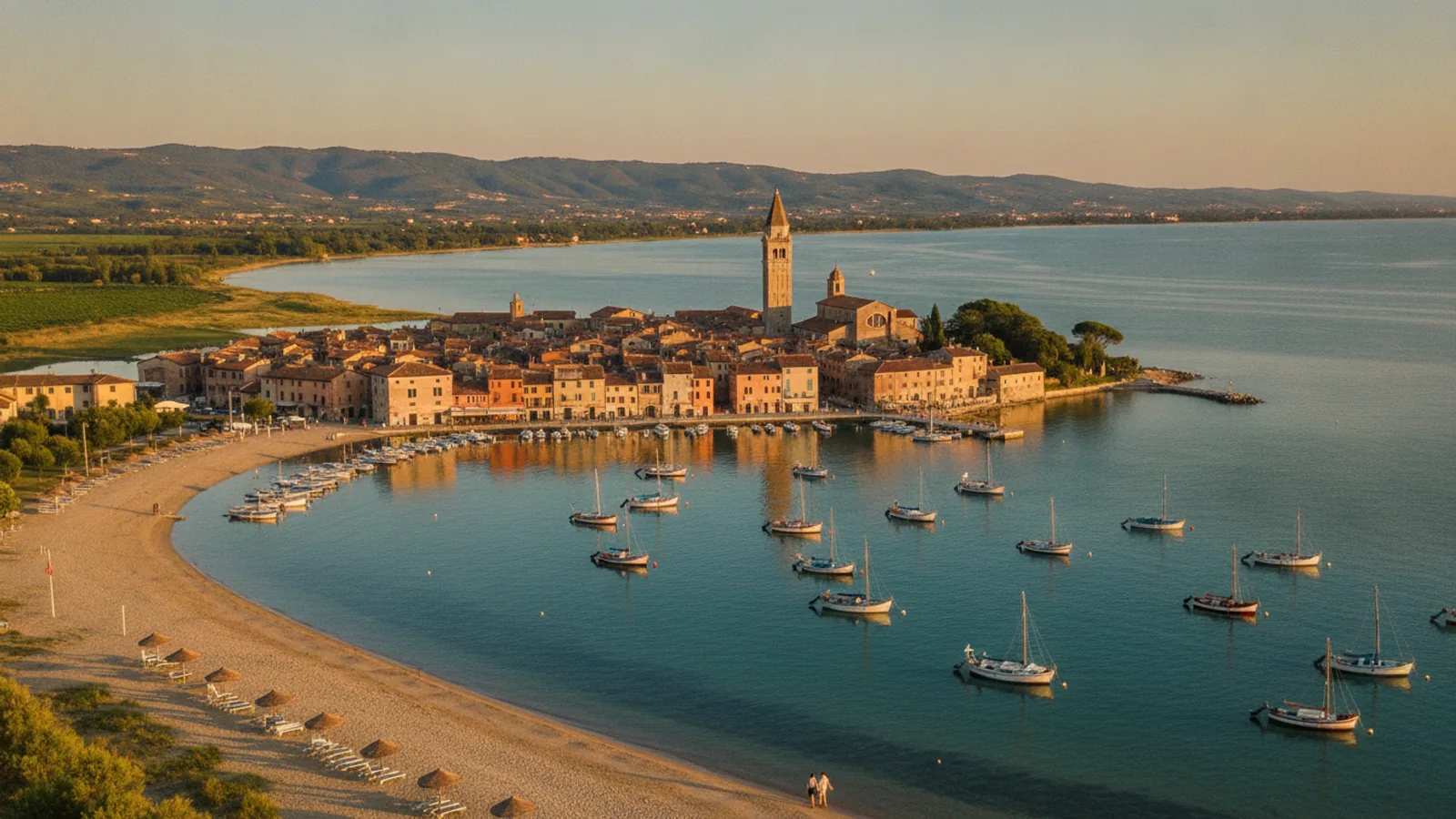
Grado is our top choice for the best destination to visit in July. It strikes an impeccable balance between a relaxing beach holiday, rich history, and natural beauty. Known as 'L'Isola del Sole' (The Island of the Sun), its south-facing beaches guarantee sun all day, while the shallow, calm waters are perfect for families. The charming Venetian-style historic centre is a joy to explore, and the surrounding lagoon, a UNESCO-protected biosphere, offers unique boat excursions. While it's a popular spot in July, its layout and atmosphere absorb the crowds gracefully, never feeling as overwhelming as other major resorts.
Pros
- Beautifully preserved historic centre
- Exceptionally safe, Blue Flag beaches ideal for children
- Unique ecosystem of the lagoon for exploration
- Excellent cycling infrastructure
- Elegant and relaxed atmosphere
Cons
- Accommodation can be expensive if not booked in advance
- Main beaches require an entrance fee
Trieste: The Cultured Port City
For those who want more than just a beach from their July holiday, Trieste is a fantastic choice. This grand port city, with its Austro-Hungarian architecture and deep-rooted coffee culture, feels distinct from the rest of Italy. You can spend your mornings exploring castles like Miramare, visiting museums, and sitting in historic literary cafés. In the afternoon, do as the locals do: head to the 'Topolini' bathing platforms at Barcola to swim in the clean, deep waters of the Adriatic. July sees the city alive with open-air events, and the evening aperitivo scene is second to none. It offers a sophisticated blend of urban exploration and seaside relaxation.
Pros
- Fascinating blend of Italian, Slavic, and Germanic cultures
- Unique and convenient city swimming areas
- World-class coffee and aperitivo scene
- Plenty of museums, castles, and historical sites
- Gateway to exploring the Karst plateau and Slovenia
Cons
- The city centre can feel very hot and humid in July
- Not ideal for those seeking traditional sandy beaches
- Parking is famously difficult and expensive
Lignano Sabbiadoro: The Entertainment Hub
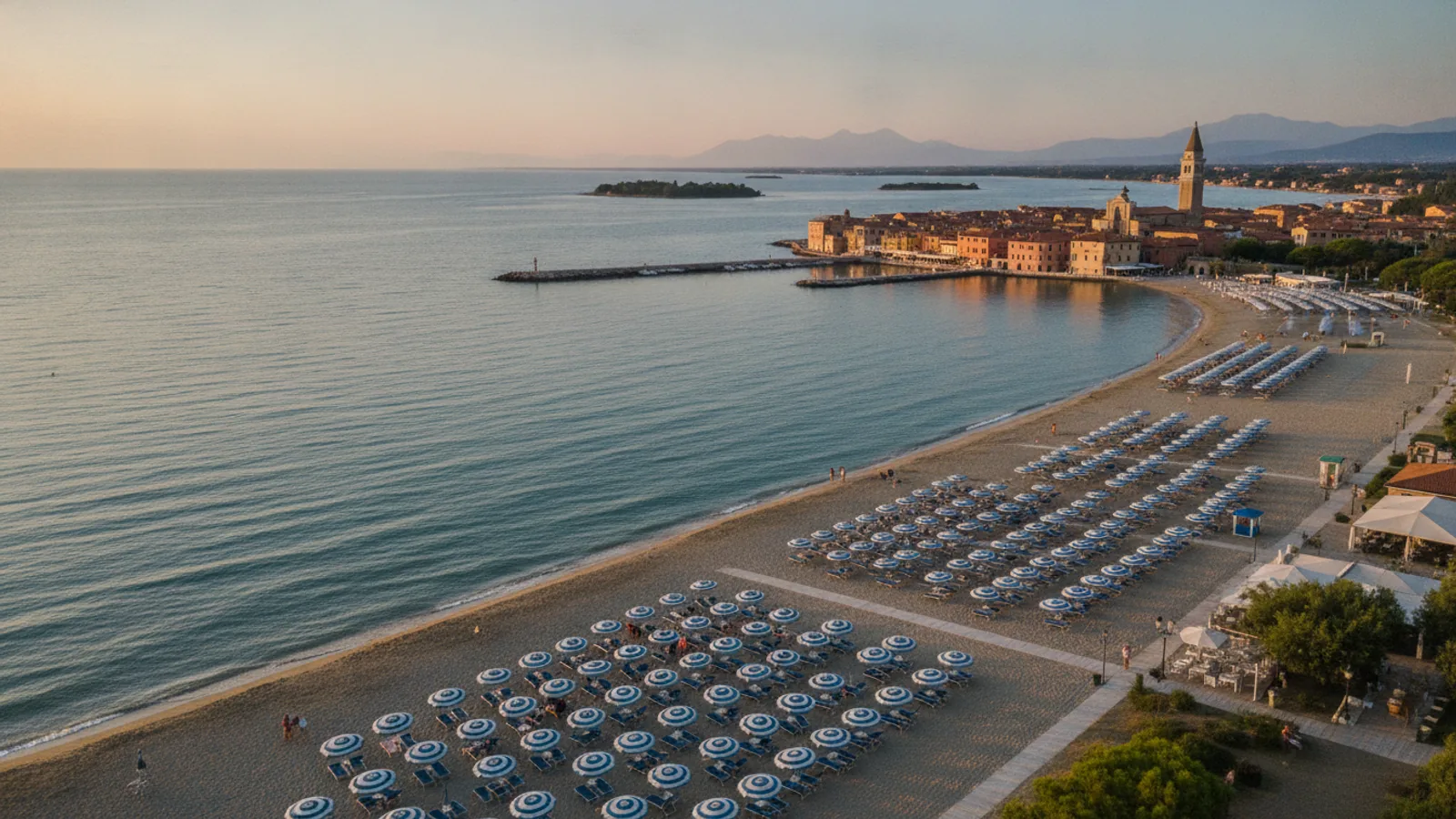
If your idea of a perfect July involves non-stop activities, a huge sandy beach, and endless entertainment for the kids, Lignano Sabbiadoro is the place to be. This purpose-built resort boasts 8 kilometres of pristine golden sand, divided into three distinct areas: Sabbiadoro (lively and bustling), Pineta (stylish and green), and Riviera (peaceful and relaxing). The sheer number of amenities is staggering, from water parks like Aquasplash to theme parks, minigolf, and a zoo. The beach is immaculately organised with countless umbrellas and activities. While it lacks the historical charm of Grado or Trieste, it excels at providing a seamless, fun-filled, and easy family beach holiday.
Pros
- Vast, well-equipped sandy beach
- Numerous theme parks and attractions for all ages
- Excellent for water sports
- Vibrant nightlife, especially in Sabbiadoro and Pineta
- Lots of family-friendly accommodation options
Cons
- Can feel very crowded and commercial in July
- Lacks the authentic, historical feel of other Friulian towns
- Traffic and parking can be challenging at peak times
The Carnic Alps: The Cool Mountain Retreat
When the coastal plains are sweltering in July, the Carnic Alps offer a refreshing and beautiful alternative. Destinations like Sauris, Forni di Sopra, or the area around the Zoncolan mountain pass provide crisp air, stunning Dolomite scenery, and a complete change of pace. July is the perfect month for hiking, with an extensive network of trails for all abilities, from gentle valley walks to challenging high-altitude treks. The culture here is unique, with distinct traditions, languages, and a hearty cuisine based on smoked meats, cheeses, and forest products. It's the ideal choice for active travellers, nature lovers, or anyone who finds the peak summer heat at sea level oppressive.
Pros
- Significantly cooler temperatures than the coast
- Breathtaking alpine scenery
- Uncrowded hiking and cycling trails
- Authentic local culture and cuisine
- A peaceful, tranquil environment
Cons
- A car is essential for exploration
- Fewer restaurants and services compared to coastal resorts
- Weather can be unpredictable, with afternoon thunderstorms
- Not a beach destination
Cividale del Friuli & the Natisone Valleys
Cividale del Friuli, a UNESCO World Heritage site and the former capital of the Lombard Kingdom, is a jewel for history buffs. Its iconic Devil's Bridge and fascinating museums are captivating. But in July, its real secret weapon is its proximity to the Natisone and Torre river valleys. Here, you can find dozens of idyllic spots for 'wild swimming' in the cool, turquoise, and incredibly clean river water. It’s the perfect way to cool off after a morning of sightseeing. This combination offers a unique holiday: immerse yourself in profound history and then escape to pristine nature. It's an off-the-beaten-path choice that delivers a truly memorable Friulian experience, especially for those who enjoy discovering hidden gems.
Pros
- Rich, accessible history (UNESCO site)
- Refreshing and beautiful river swimming spots
- Fantastic base for exploring the Colli Orientali wine region
- Fewer international tourists than coastal areas
- Excellent, authentic restaurants
Cons
- River swimming spots can be rocky and require water shoes
- Can be hot in the town itself
- Public transport to the valleys is limited; a car is recommended
Final Verdict: Best best destination to visit in july
After careful consideration of all that Friuli-Venezia Giulia has to offer in peak summer, Grado remains our top recommendation for the best destination to visit in July 2026. It masterfully combines the essential elements of a great Italian summer holiday: beautiful and safe beaches, a captivating historic centre, wonderful food, and a relaxed yet sophisticated atmosphere that manages the July crowds with grace.
While Grado takes the top spot, your perfect holiday might be elsewhere. If you crave the energy and cultural depth of a city, Trieste is an exceptional choice. If your priority is keeping a family entertained with non-stop fun, Lignano Sabbiadoro is unbeatable. And if the very idea of 30°C heat has you looking for the hills, the cool air and stunning trails of the Carnic Alps are calling your name. Whichever you choose, planning ahead will ensure a fantastic July trip to this incredible region.
Best Destination To Visit In July 2026 FAQ
How hot is Friuli-Venezia Giulia in July?
In coastal and lowland areas like Grado, Lignano, and Trieste, you can expect average daily high temperatures between 28°C and 32°C (82°F to 90°F). Humidity can make it feel hotter. In the Carnic Alps, temperatures are much more pleasant, with daytime highs typically in the low to mid-20s (70s°F).
Do I need to book accommodation far in advance for a July trip?
Yes, absolutely. July is peak season. We strongly recommend booking your accommodation at least 4-6 months in advance, especially for popular destinations like Grado and Lignano, to secure the best choices and prices. The same applies to rental cars.
Is Friuli expensive to visit in July?
Costs are at their highest in July, but Friuli-Venezia Giulia generally offers better value than more famous Italian destinations like Tuscany or the Amalfi Coast. You can manage costs by eating at local osterias and pizzerias, using public transport where possible, and enjoying free activities like hiking or swimming in rivers. Beach entrance and umbrella rental fees in Grado and Lignano are a key cost to factor in.
Is English widely spoken in this region?
In major tourist destinations like Grado, Lignano, and Trieste, you will find that English is commonly spoken in hotels, restaurants, and shops. In more rural areas, such as the Carnic Alps or smaller villages, it is less common. Learning a few basic Italian phrases like 'buongiorno' (good morning), 'per favore' (please), and 'grazie' (thank you) is always appreciated and will go a long way.