Best Time To Travel To Costa Rica 2026
A practical roundup review of the best options for best time to travel to costa rica, with quick picks, comparison notes, mini reviews, buying advice, and FAQ.
Best Time To Travel To Costa Rica 2026
Roundup review
To determine the best time to travel to Costa Rica, we analysed the entire year, breaking it down into five distinct travel periods. Our recommendations are based on multi-year climate data from Costa Rica's National Meteorological Institute, seasonal flight and accommodation pricing trends, national park visitor statistics, and wildlife calendars for key species. For first-time visitors seeking reliable sunshine and ideal conditions for exploring, the classic Dry Season from December to April is our top recommendation for 2026.
Quick Comparison
Dry Season
- Peak sunshine
- Ideal beach weather
- Most reliable for tours
Green Season
- Lush, green landscapes
- Turtle nesting season
- Fewer crowds
Low Season
- Lowest prices
- Excellent surfing
- Caribbean coast sunshine
Early Dry Season
- Lush scenery, dry weather
- Full rivers for rafting
- Impressive waterfalls
Shoulder Season
- Great value
- Fewer tourists
- Landscapes turning green
The Best Times to Visit Costa Rica
- Dry Season (December – April) - Best overall
- Green Season (May – August) - Best for wildlife spotting
- Low Season (September – November) - Best for budget travellers
- Early Dry Season (December – January) - Best for adventure activities
- Shoulder Season (May – June) - Best for avoiding crowds
Dry Season (December – April)
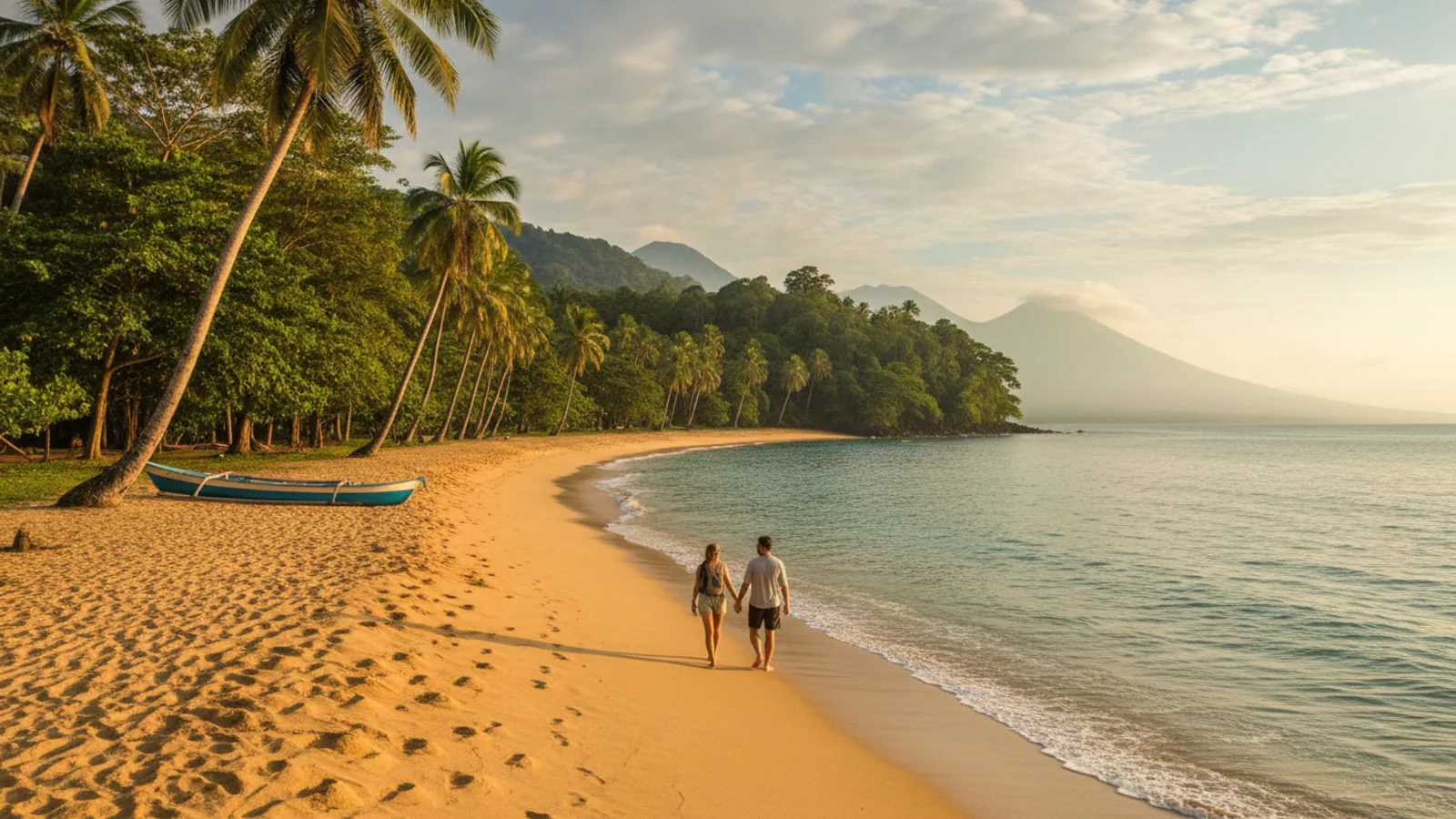
The Dry Season is Costa Rica's high season for a simple reason: it offers the most reliably beautiful weather. From mid-December through April, the Pacific coast and central regions bask in sunshine with very little rain, creating perfect conditions for beach holidays, hiking, and exploring. All roads are accessible, tour operators are running full schedules, and the ocean is generally calm and ideal for swimming. This is the period we recommend for first-time visitors or anyone whose priority is maximising sun-drenched days. The trade-off is that this is the most popular and expensive time to visit, so booking well in advance is essential.
Pros
- Consistent sunshine and minimal rainfall
- Ideal conditions for beach and water activities
- All attractions and transport routes are fully accessible
- Excellent for hiking in national parks
Cons
- Highest prices for flights and accommodation
- Popular destinations can be very crowded
- Landscapes can be less lush and brown in some areas by April
Green Season (May – August)
Locals prefer to call it the "Green Season," and for good reason. As the rains begin, the entire country transforms into a vibrant, emerald-green paradise. This period is a haven for wildlife enthusiasts. The forests are teeming with life, and it's the peak nesting season for green sea turtles in Tortuguero. The rain typically falls in short, intense afternoon downpours, leaving mornings bright and clear for exploration. You'll benefit from lower prices and significantly fewer people than in the dry season, creating a more intimate and authentic travel experience. It's the perfect choice for photographers, nature lovers, and repeat visitors seeking a different side of Costa Rica.
Pros
- Stunningly lush and green landscapes
- More active wildlife and key nesting seasons
- Fewer tourists at major attractions
- Lower prices for flights and lodging
Cons
- Daily afternoon rain showers are common
- Higher humidity levels
- Some unpaved rural roads can become difficult to navigate
Low Season (September – November)
For the budget-conscious traveller who isn't afraid of rain, this period offers unparalleled value. September and October are the wettest months on the Pacific side, leading to rock-bottom prices and virtually empty national parks. But there's a secret weapon: the Caribbean coast. While the rest of the country is drenched, the Caribbean side (think Tortuguero, Cahuita, and Puerto Viejo) experiences its driest and sunniest weather. This "reverse season" makes it an incredible time to explore the unique Afro-Caribbean culture and beaches. On the Pacific, it's the peak of the surf season, with massive swells attracting experienced surfers. If you want the cheapest prices or a sunny Caribbean escape, this is your window.
Pros
- The absolute lowest prices of the year
- Best weather on the Caribbean coast
- Peak surf season on the Pacific coast
- Almost no crowds anywhere
Cons
- Heavy, prolonged rainfall on the Pacific and in central areas
- Some hotels and tour operators may close for the season
- Risk of road closures due to landslides
Early Dry Season (December – January)
This "best of both worlds" period captures the magic of Costa Rica just as it transitions from green to dry. The heavy rains have subsided, but the landscape is still incredibly lush and the rivers are swollen. This makes it the absolute prime time for adventure sports like whitewater rafting on the Pacuare or Sarapiquí rivers. Waterfalls like La Fortuna are at their thunderous, most impressive peak. You get the benefit of increasingly sunny days without the dusty, drier landscapes of the late dry season. While it marks the start of the high season (with prices and crowds rising, especially around the holidays), for adrenaline junkies, the trade-off is well worth it.
Pros
- Ideal combination of improving weather and lush scenery
- Peak conditions for whitewater rafting
- Waterfalls are at their most powerful and spectacular
- Festive atmosphere around Christmas and New Year
Cons
- Very high prices and crowds during holiday weeks
- Accommodation must be booked far in advance
- Weather can still be unpredictable in early December
Shoulder Season (May – June)
The shoulder season of May and June is a savvy traveller's secret. The peak season crowds have departed, and prices for flights and hotels take a noticeable dip. The first rains of the green season have arrived, clearing the dust from the air and coaxing a brilliant green from the landscape. The rain is typically not yet at its peak; you can expect many dry, sunny mornings followed by a refreshing afternoon shower. This period offers a fantastic balance of decent weather, lower costs, and the feeling of having popular trails and beaches almost to yourself. It's an excellent choice for those who want value and a more tranquil experience without committing to the full rainy season.
Pros
- Significant decrease in tourist numbers
- Attractive pricing on accommodation and tours
- Scenery begins to turn lush and vibrant
- Good chance of sunny mornings for activities
Cons
- Weather becomes less predictable
- Humidity levels begin to rise
- The start of the rainy season can be abrupt in some years
Buying Guide: How to Choose the Best Time to Visit Costa Rica
Deciding when to visit Costa Rica isn't just about weather; it's about matching the season to your travel style, budget, and interests. Use this guide to find your perfect travel window.
1. Understand the Seasons: Dry vs. Green
Costa Rica's climate is defined by two main seasons, not four. Understanding the trade-offs is the first step.
- Dry Season (December - April): Think of this as the tropical summer. It's characterised by abundant sunshine, higher temperatures, and low humidity, especially along the Pacific coast. It's the most popular time to visit for classic sun-and-sand holidays.
- Green Season (May - November): This is the rainy season, but it's not a constant downpour. Typically, mornings are sunny and clear, with rain arriving for a few hours in the afternoon. The landscape is intensely green, wildlife is more active, and prices are lower.
2. Factor in Your Budget
Your budget is one of the biggest factors. Prices can vary dramatically throughout the year.
- Peak Season (Christmas/New Year & Easter): Expect the absolute highest prices for flights and hotels, often with minimum stay requirements. Book up to a year in advance.
- High Season (Rest of Dec - April): Prices are high, but slightly less than the peak holiday weeks. Demand is strong, so advance booking is still crucial.
- Shoulder Season (May - June, parts of November): A sweet spot for value. Prices drop significantly from the high season, but the weather is often still very pleasant.
- Low Season (September - October): This is when you'll find the best deals and bargains. Many hotels offer promotions, and flights are at their cheapest.
3. Know Your Must-Do Activities
What you want to do will heavily influence when you should go.
- Wildlife Spotting: While wildlife is visible year-round, some events are seasonal. Humpback whale migrations peak from December to March (south Pacific) and July to November (north Pacific). Sea turtle nesting is best from July to October in Tortuguero (green turtles) and primarily from July to December in Ostional (olive ridley turtles). Resplendent Quetzals are most commonly seen during their mating season from March to July in cloud forests like Monteverde.
- Surfing: The Pacific coast sees its largest, most consistent swells during the green season (May to November), making it prime time for experienced surfers. The Caribbean coast's best waves hit from November to March.
- Hiking: The dry season offers the most reliable conditions for hiking, with less mud and clearer trails. However, hiking in the green season can be rewarding with fewer people and more vibrant flora and fauna, provided you're prepared for afternoon rain.
- Adventure Sports: For whitewater rafting, the start of the dry season (December-January) is ideal, as rivers are high from the recent rains but the weather is clearing.
4. Don't Forget Regional Microclimates
A common mistake is assuming the weather is the same everywhere. Costa Rica's mountainous spine creates distinct microclimates.
- Pacific Coast (Guanacaste, Manuel Antonio): Follows the classic dry/green season pattern. Guanacaste is the driest part of the country.
- Caribbean Coast (Tortuguero, Puerto Viejo): Has its own weather system. It's often rainy during the Pacific's dry season, and its driest months are September and October—the peak of the rainy season elsewhere.
- Central Valley (San José, Arenal): Tends to have a temperate climate year-round. It experiences the same dry/green seasons but temperatures are milder than the coasts.
Final Verdict: Best Time To Travel To Costa Rica
After analysing the entire year, the Dry Season (December to April) stands out as the best overall time to travel to Costa Rica, especially for first-time visitors. Its reliable sunshine, accessible roads, and perfect beach weather provide the classic tropical holiday experience that draws so many to this beautiful country. It scored an impressive 92/100 in our analysis for its unmatched weather and activity conditions.
However, the "best" time is deeply personal. If your priorities are seeing wildlife at its most active, experiencing breathtakingly lush landscapes, and saving money, the Green Season (May to August) is a fantastic and often more rewarding choice. For ultimate budget savings or a dedicated Caribbean adventure, the Low Season offers unique opportunities. Ultimately, by matching your own travel priorities—be it sun, savings, or solitude—with the right season, you can plan the perfect Costa Rican getaway.
Best Time To Travel To Costa Rica 2026 FAQ
What is the rainiest month in Costa Rica?
October is typically the rainiest month for most of Costa Rica, particularly on the Pacific coast and in the Central Valley. However, this is also the sunniest and driest month on the Caribbean coast, making it an excellent time to visit that specific region.
Is it worth visiting Costa Rica during the rainy season?
Absolutely. The "rainy season" is better known as the "green season" for a reason. The country is incredibly lush and beautiful, wildlife is more active, and there are fewer crowds and lower prices. Rain often comes in predictable afternoon showers, leaving mornings free for activities.
When is hurricane season in Costa Rica?
The official Atlantic hurricane season runs from June to November. However, Costa Rica is located far enough south that it is very rarely directly hit by hurricanes. It can experience periods of heavy rain from the outer bands of storms passing further north, but direct impacts are historically rare.
What is the cheapest month to fly to Costa Rica?
Generally, September and October are the cheapest months to fly to Costa Rica from the UK and North America. This corresponds with the peak of the rainy season and the lowest demand for tourism.
Does the weather differ between the Pacific and Caribbean coasts?
Yes, significantly. This is a crucial travel planning tip. The two coasts have opposite weather patterns. When the Pacific side is in its dry season (December-April), the Caribbean side is often wetter. When the Pacific is at its wettest (September-October), the Caribbean coast experiences its driest, sunniest period.